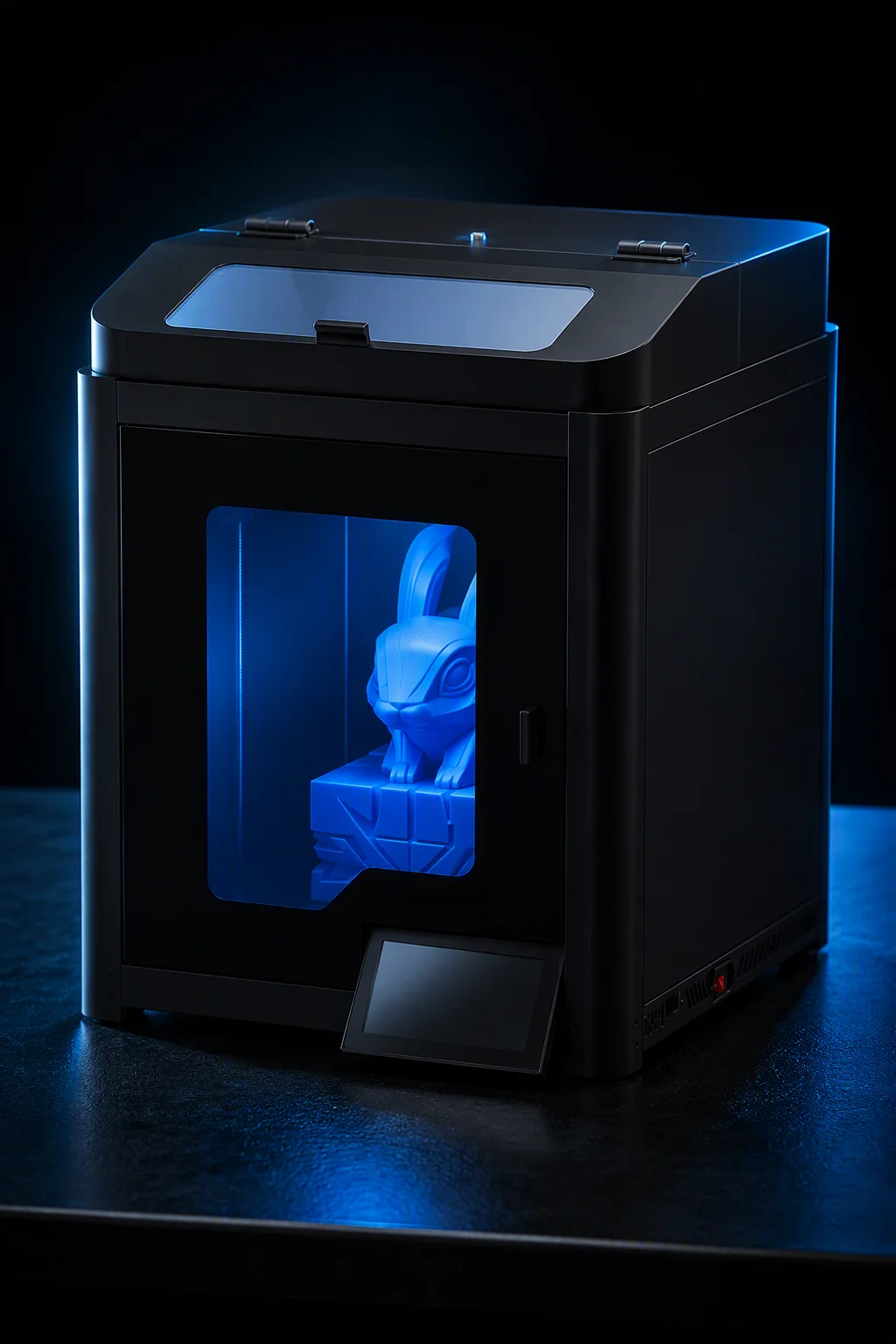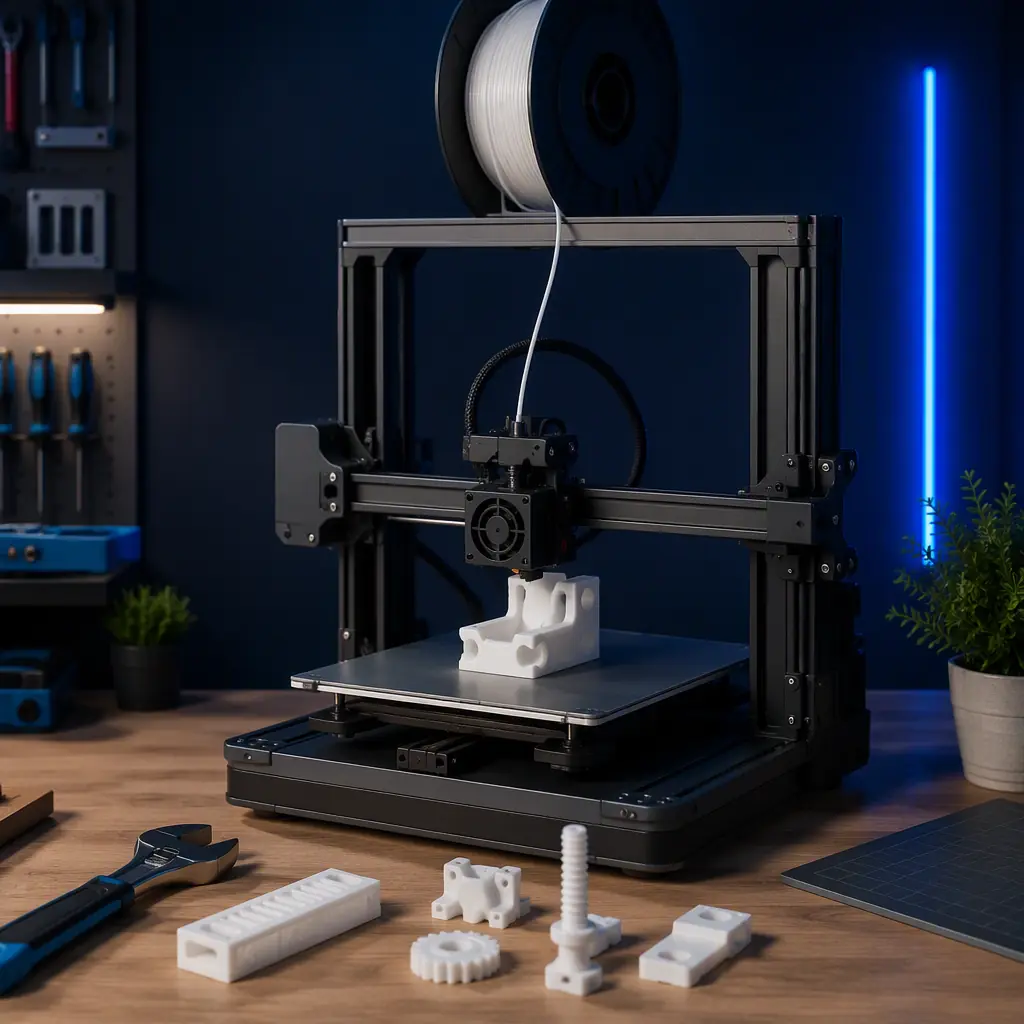
The Consumer Segment Is Not the Prosumer Segment
Distributors who look at consumer 3D printing demand usually find it described as one market, and it is not. There is a meaningful difference between a buyer who purchases a printer to run a business and a buyer who purchases a printer because they want to make things. The first group behaves like a small manufacturer: they care about uptime, throughput, and cost per part. The second group behaves like an enthusiast: they care about capability per dollar, the learning curve, and whether the machine works reliably out of the box.
For a distributor, the confusion is expensive because the two groups need different machines, different support models, and different accessory attach rates. Sell an enthusiast machine to a small-business buyer and the first support ticket is about a missed deadline. Sell a business machine to an enthusiast and the first complaint is that they paid for capability they cannot use.
The population that matters commercially is the middle: buyers who start as enthusiasts and convert to income-generating use within the first year. That conversion is the single most valuable event in the consumer channel, and it is predictable from a small number of observable signals.
The Three Consumer Buyer Types and What They Actually Buy
The first-time adopter. Buys on price and reviews, prints decorative objects, masks, and household fixes, and judges the purchase on whether the first five prints succeeded. This buyer's decision is made in the first two weeks of ownership. A machine that requires significant calibration before the first acceptable print produces a return or a negative review, and both cost the distributor more than the margin on the sale.
The competent hobbyist. Has printed before or has technical adjacent experience, understands the slicer, and buys for capability. This buyer upgrades from an entry machine after roughly 6 to 18 months and is the primary market for the mid-tier. They read specifications carefully and are the group most likely to be lost by a distributor whose product line jumps from entry level straight to professional.
The prosumer. Sells output or uses the printer in a small operation. Buys on reliability and repeatability, not on features. This is the highest-value consumer-adjacent buyer because the accessory and material attach rate is very high and the replacement cycle is short. The prosumer segment is the bridge between the consumer channel and the professional channel, and the segment definitions are covered in our portfolio strategy guide.
The mistake distributors make is treating these as price tiers. They are not a ladder — they are different purchasing logics. The first-time adopter is buying an experience, the hobbyist is buying a specification, and the prosumer is buying an asset. Marketing one message to all three produces a catalogue that persuades none of them.
What Actually Drives Consumer Demand in 2026
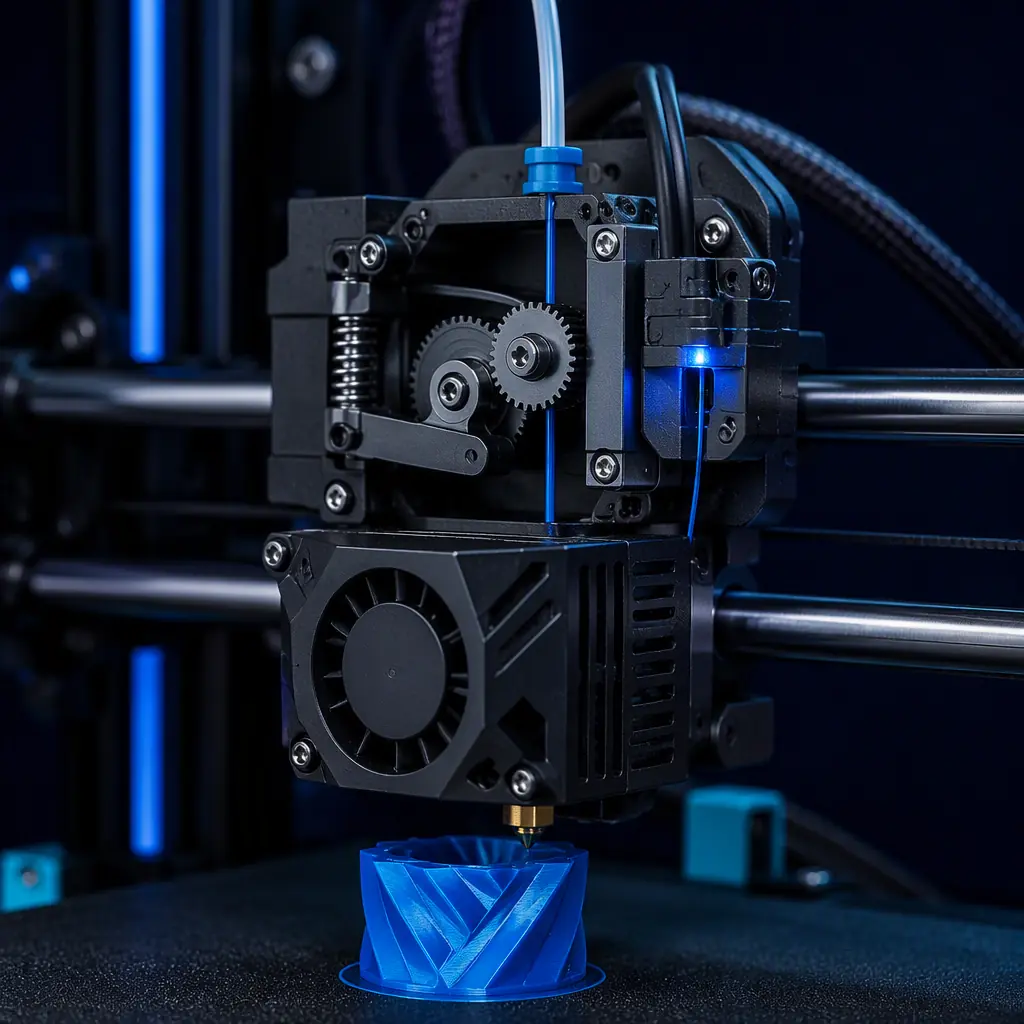
The consumer printer market used to grow on novelty. It now grows on usefulness, and the shift changes what distributors should stock.
Household repair and replacement parts. The single largest behavioural driver is the discovery that a broken bracket, a missing knob, or a discontinued clip can be manufactured at home for the cost of a few grams of filament. This is not a hobby application. It is a utility application, and it is what converts a printer from a toy into a tool. It also drives material demand, because a repair part usually needs to be stronger than a decorative print.
Tabletop gaming, props, and cosplay. This is the most visible consumer application and the one with the clearest material and accessory attach rate. It drives resin printer sales, multi-colour capability, and a large market for post-processing supplies. The demand is seasonal around conventions and new releases, which makes it a stocking-planning problem as much as a demand problem.
Small-business side income. Etsy-style sellers, custom gift producers, and local print service providers make up a growing share of consumer printer purchases. This group is the conversion population — they bought for fun and stayed for income. They are also the group with the highest sensitivity to downtime, because a failed print is a missed order rather than a wasted afternoon.
Education and family use. School-adjacent purchases and family machines drive the entry tier, and they are heavily influenced by curriculum alignment rather than specifications. This demand is comparatively stable and is covered in our education and university guide.
What you're looking for: The first-week experience predicts retention better than any satisfaction survey. A customer whose first project succeeded buys materials and upgrades; a customer whose first project failed is already shopping for a replacement.
Consumer-Grade Reliability Is the Only Real Differentiator
At the consumer price points, specifications have converged. Two machines at the same price will have comparable build volumes, comparable speeds, and comparable feature lists. The differentiation that survives contact with a real customer is whether the machine works without the owner having to become a technician.
Four reliability behaviours decide most consumer outcomes, and each is worth more than a specification-line advantage.
First-layer success without intervention. Bed levelling that is automatic and actually reliable removes the single most common cause of a bad first experience. Beyond the mechanism, the question is whether the machine compensates for a slightly warped plate or requires the owner to flatten it manually.
Recovery from interruption. A consumer machine will lose power, and it will be unplugged mid-print. Whether the machine resumes the build at the correct layer determines whether the customer loses 20 minutes or eight hours. Power-loss recovery is a consumer expectation now, not a premium feature.
Failure detection that stops the print. Filament runout, tangles, and blocked nozzles are the three most common consumer failures, and every one of them is detectable. A machine that continues printing into thin air for six hours produces a bad customer experience and a support ticket; a machine that pauses and waits produces a customer who trusts it with a longer print next time.
A support path that does not require disassembly. Consumer buyers will not remove a mainboard to diagnose a fan error. Machines that surface a readable fault and a targeted fix retain customers through their first failure; machines that require the owner to work through a diagnostic tree lose them.
The commercial logic follows directly. A consumer customer whose first printer worked reliably buys a second machine, buys materials, and recommends the brand. A customer whose first printer required weeks of tuning to produce an acceptable result does not buy again, and actively discourages others. In a channel where review scores drive discovery, the reliability behaviour of the machine is not a support cost — it is the marketing budget.

Stocking and Support Model for a Consumer Channel
Consumer distribution is a volume business with a support burden, and the model only works if the support burden is designed out at the machine level and absorbed at the channel level through the right accessory mix.
Stock the consumable that fixes the common failure. For most consumer machines that means nozzles, hotends, build plates, and a small set of printed-part spares. A distributor who can ship a nozzle assembly the same day retains a customer who would otherwise wait a week and consider a competitor. The consumable list should be derived from the failure data, not from the accessory catalogue.
Bundle the first-session supplies. A machine shipped without enough filament to complete a real project forces the customer to buy more before they have formed an opinion. Including a spool and a small set of post-processing basics raises the perceived value and removes a first-week friction point. The bundling economics are set out in our consumables and accessories bundling guide.
Segment the support tier by buyer type. The first-time adopter needs onboarding content and a clear escalation path. The prosumer needs a fast replacement path because their downtime is revenue. Offering both a generous onboarding process and a fast-swap policy for the prosumer tier is cheaper than a single over-served support model applied to everyone.
Watch the upgrade signal. A hobbyist who buys their third spool of engineering filament, orders a hardened nozzle, or asks about an enclosure is signalling an upgrade. Those are the customers to route into the mid-tier, and a distributor who can identify them from purchase history converts them at a far higher rate than any cold campaign.
What you're looking for: A second purchase within 90 days is the strongest conversion signal in the consumer channel. Time the mid-tier offer to that window rather than to a calendar campaign.
Where the Consumer Channel Meets the Professional One
The most useful structural insight for a distributor is that the consumer channel is a feeder, not a dead end. The conversion path runs from entry machine to mid-tier machine to a small production setup, and each step carries a higher accessory and material attach rate than the last.
The prosumer tier is where this becomes visible. A customer running a small print service is buying machines two or three at a time, standardizing on a material, and eventually worrying about the same uptime questions that a small factory does — which is precisely the point where our print farm economics guide and IDEX farm throughput guide become relevant to them.
The practical consequence for stocking is that the mid-tier should not be a gap. A product line that jumps from a 200 mm entry machine to a professional platform leaves the converting customer nowhere to go inside the brand, which is the single most common way a distributor loses a customer they had already won. The mid-tier machine is not the most profitable unit in the line, but it is the one that keeps the conversion path inside the portfolio.
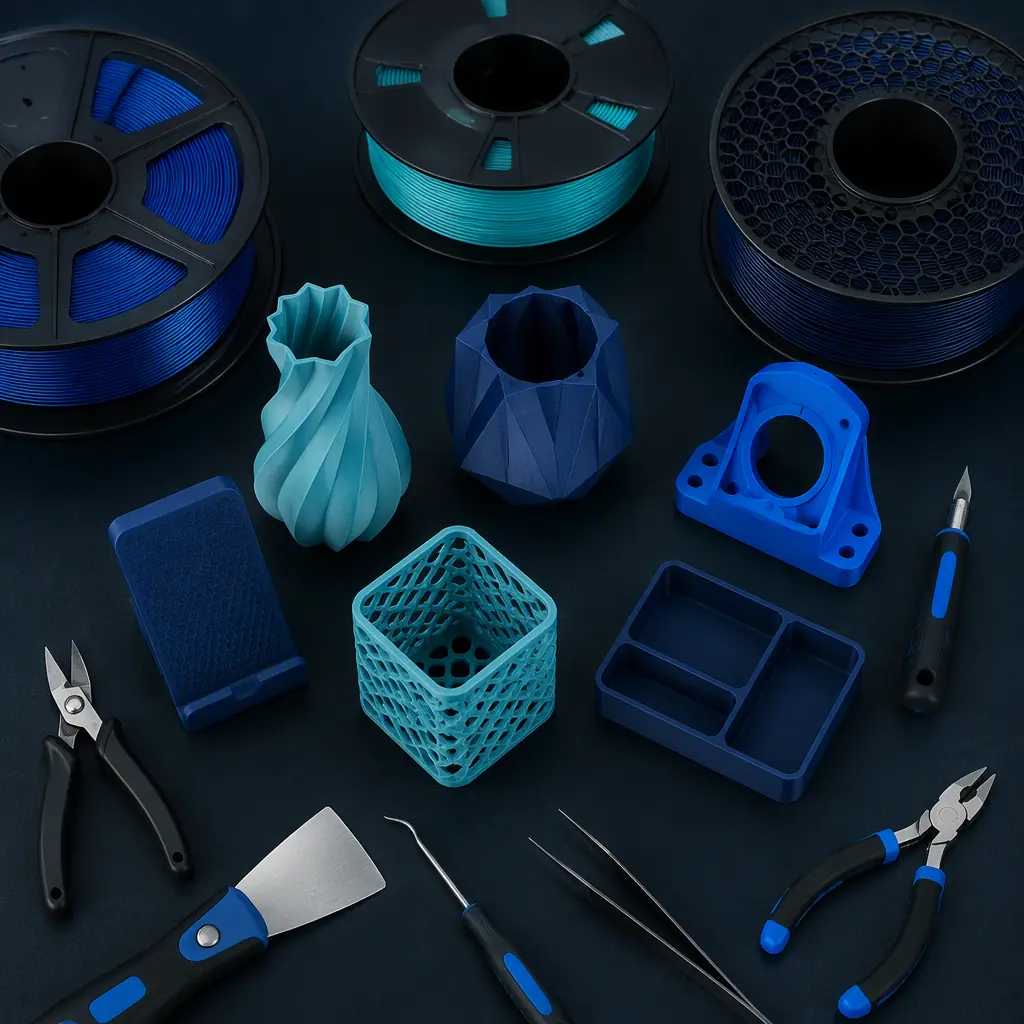
Material demand follows the same curve. The entry buyer purchases a basic filament and may not repurchase for months. The prosumer purchases in volume, standardizes on brands, and cares about consistency between lots. That is the moment to introduce engineering materials and a drying solution, and it is where our filament storage guide and filament stocking guide become sales tools rather than reference documents.
For the consumer and prosumer platform specifications, accessory compatibility matrices, and the material range for each tier, see the product line, or review the distribution program for the consumer channel terms.

Consumer & Prosumer Channel
Ready to Build a Consumer Channel That Converts?
Precise3D supplies entry, mid-tier and prosumer platforms on one accessory and material ecosystem, with automatic levelling, power-loss recovery and practical failure detection built in — so the conversion path from first print to small production stays inside your portfolio.