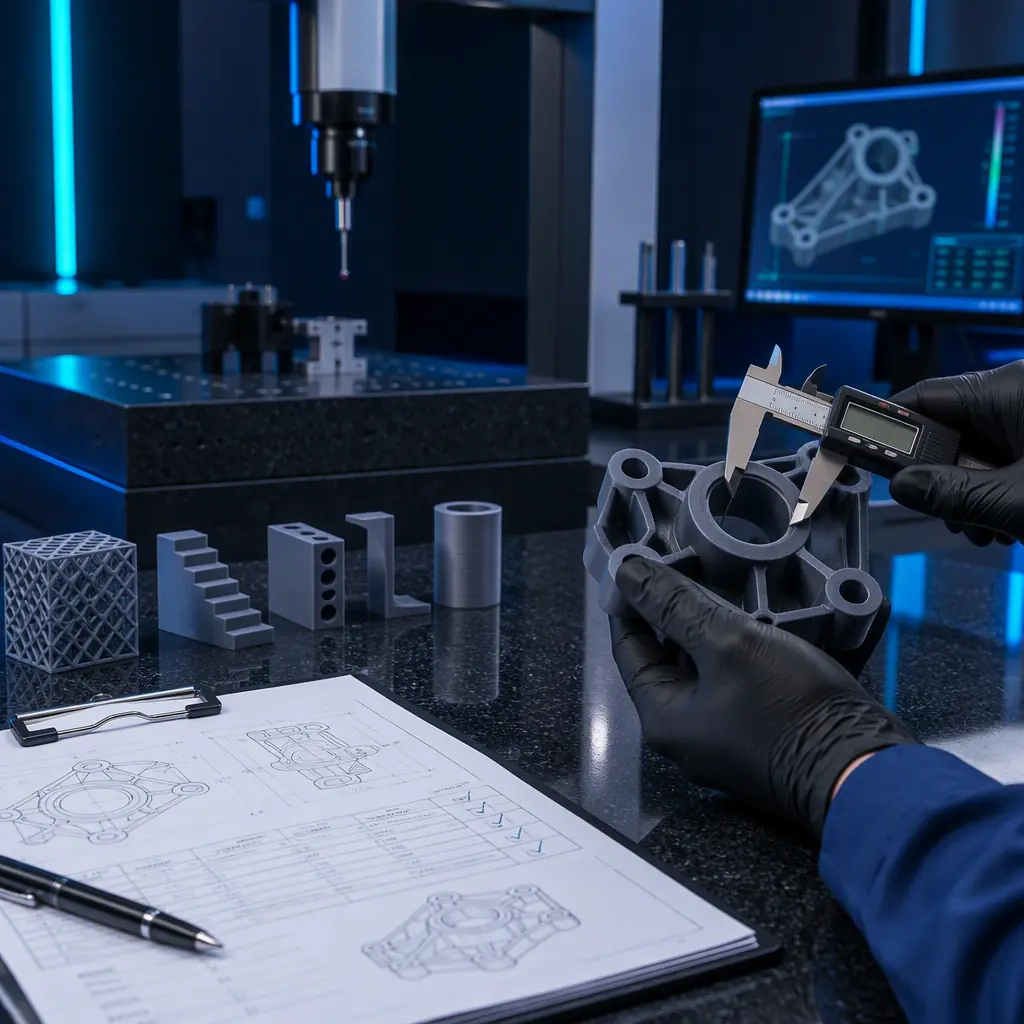
The Difference Between Sorting and Controlling
A job shop had shipped a bracket with a cracked layer bond to three separate customers over five months. Each time the response was the same: a batch of extra inspection, an apology, a replacement. Each time the inspection intensity relaxed after a few weeks, because inspecting every single part is expensive and the problem seemed to have gone away.
The pattern is the signature of a quality process that sorts good from bad rather than controlling the cause. Inspection catches the defect that already exists. Control prevents it from being created. The five months of returns cost more than the fixture and the material-handling change that would have fixed the root cause on day one.
The tool that converts a sorting habit into a control habit is the failure mode and effects analysis, paired with the control plan that implements its conclusions. Neither document is complicated. What makes them work is that they rank failure modes by consequence instead of treating every possible defect as equally urgent, which is what makes the resulting control plan affordable enough to actually run.
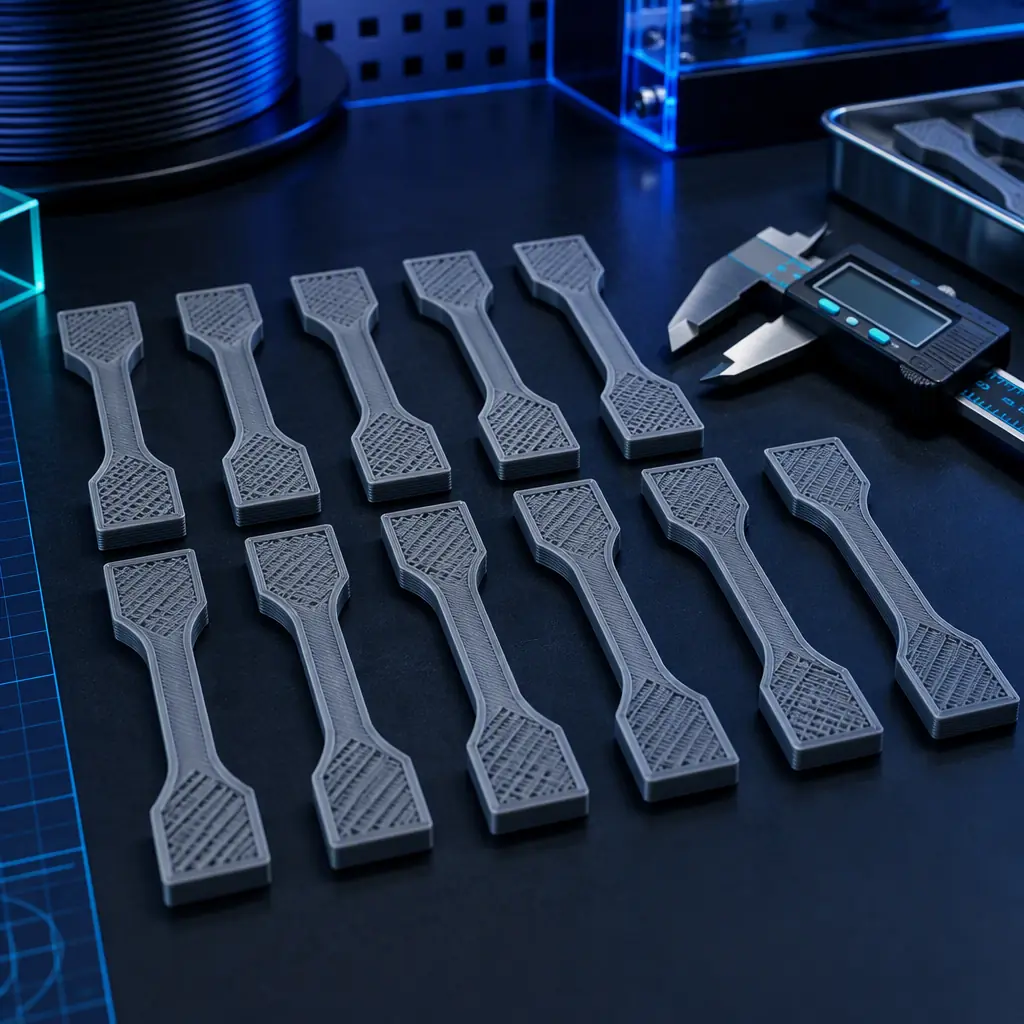
Failure Modes Specific to Additive Manufacturing
Additive processes fail differently from subtractive ones, and an FMEA borrowed from a machining operation will miss the modes that actually hurt. The characteristic additive failure modes cluster around the layer interface, the thermal history, and the material's condition before the build even starts.
Two of these deserve emphasis because they are the ones that escape visual inspection and reach the customer. Weak layer bonds and wet filament both produce parts that look correct and fail in service, which is exactly the profile of a failure mode that needs a control plan rather than an inspection step. The material condition side is covered in depth in our filament drying and storage guide, and the thermal side in our heated chamber guide.
Scoring Failure Modes: Severity, Occurrence, Detection
An FMEA ranks failure modes by multiplying three scores, each on a 1–10 scale. Severity measures the consequence when the mode reaches the customer. Occurrence measures how often the cause happens. Detection measures how likely the current controls are to catch it before shipment. The product is the risk priority number.
The arithmetic produces a number, but the ranking discipline matters more than the number. Severity of 9 or 10 obliges action regardless of the other two scores, because a safety-relevant failure mode with a low occurrence rate is still a safety-relevant failure mode and the occurrence score is a statement about luck rather than about design.
What you're looking for: A recurring return with no corresponding FMEA line means the process is sorting, not controlling. A return whose mode was already ranked high but never actioned means the ranking exists on paper and the control plan never followed it.
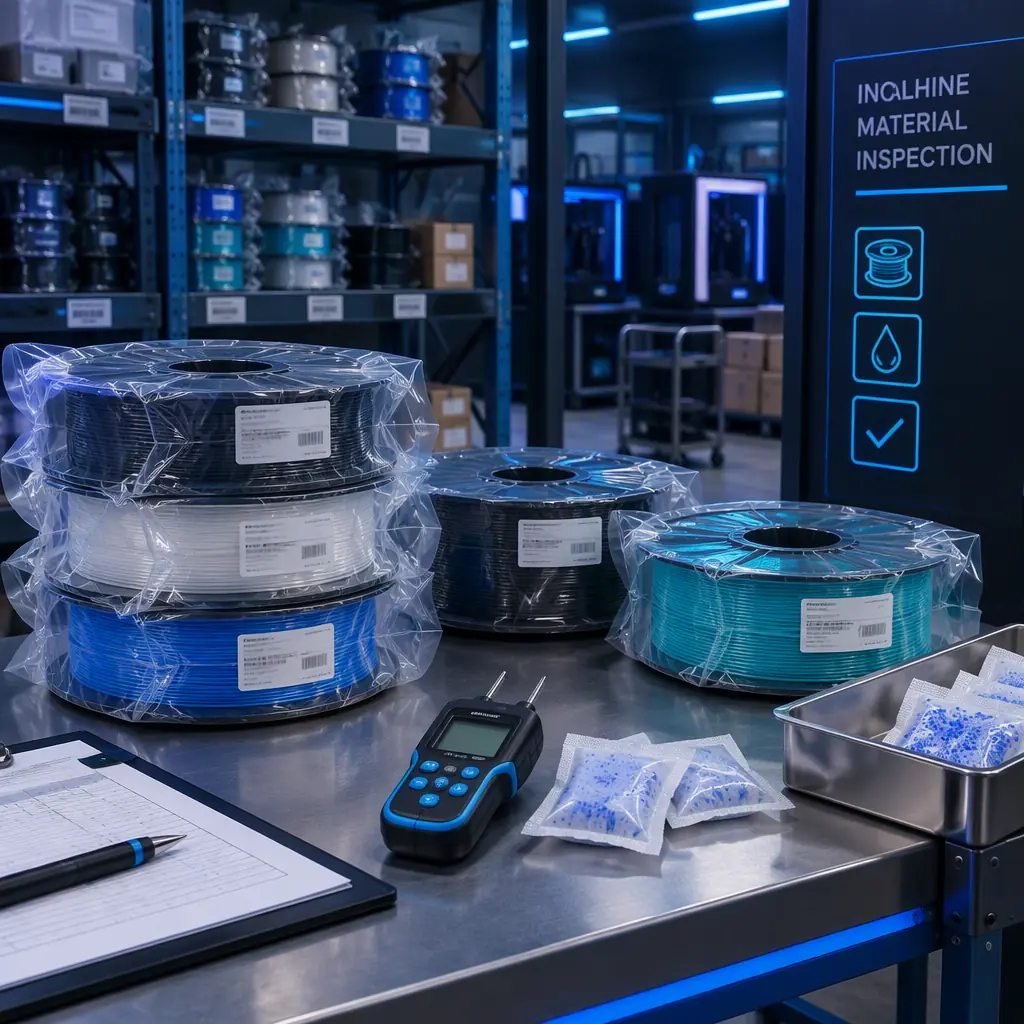
From Ranking to Control: Writing the Plan
A control plan translates the high-ranked failure modes into specific, assigned, measurable activities. Each row names the process step, the characteristic being controlled, the specification limit, how it is measured, how often, who does it, and what happens when it fails. A control plan without a reaction column is a monitoring plan, and monitoring without a defined reaction is the mechanism by which a known problem keeps shipping.
The frequency column is where control plans usually get written too aggressively and then abandoned. A plan that requires every part to be measured on every dimension will be quietly ignored within a month. The workable approach sets frequency from risk: functional and safety-relevant characteristics get tight control, cosmetic characteristics get looser control, and the sampling rationale is written down so that a later auditor can see why the plan is proportionate rather than arbitrary. The inspection methods themselves are covered in our part metrology guide, and the dimensional behaviour the plan must account for is covered in our tolerances and dimensional accuracy guide.
Where the Control Plan Meets the Production Plan
A control plan that is not linked to the production schedule drifts out of use, because the controls belong to process steps that only exist when the order is travelling through them. Two links make the plan survive contact with a busy floor.
- Tie each control to the production step that owns it. Moisture checks belong to material staging, chamber verification belongs to machine setup, coupon checks belong to first-article release. When the control lives in the step, the operator who performs the step performs the control.
- Make the reaction a stoppable action. “Notify the supervisor” is not a reaction. “Hold the batch and quarantine the spool” is, because it is an action the operator can complete without needing a decision from anyone.
This is the same constraint thinking that governs throughput. A quality hold at final inspection is a station that slows the line at its narrowest point, and how that hold is structured determines whether quality control is a competitor to throughput or a component of it. The station-capacity framework for that balance is set out in our line balancing guide.
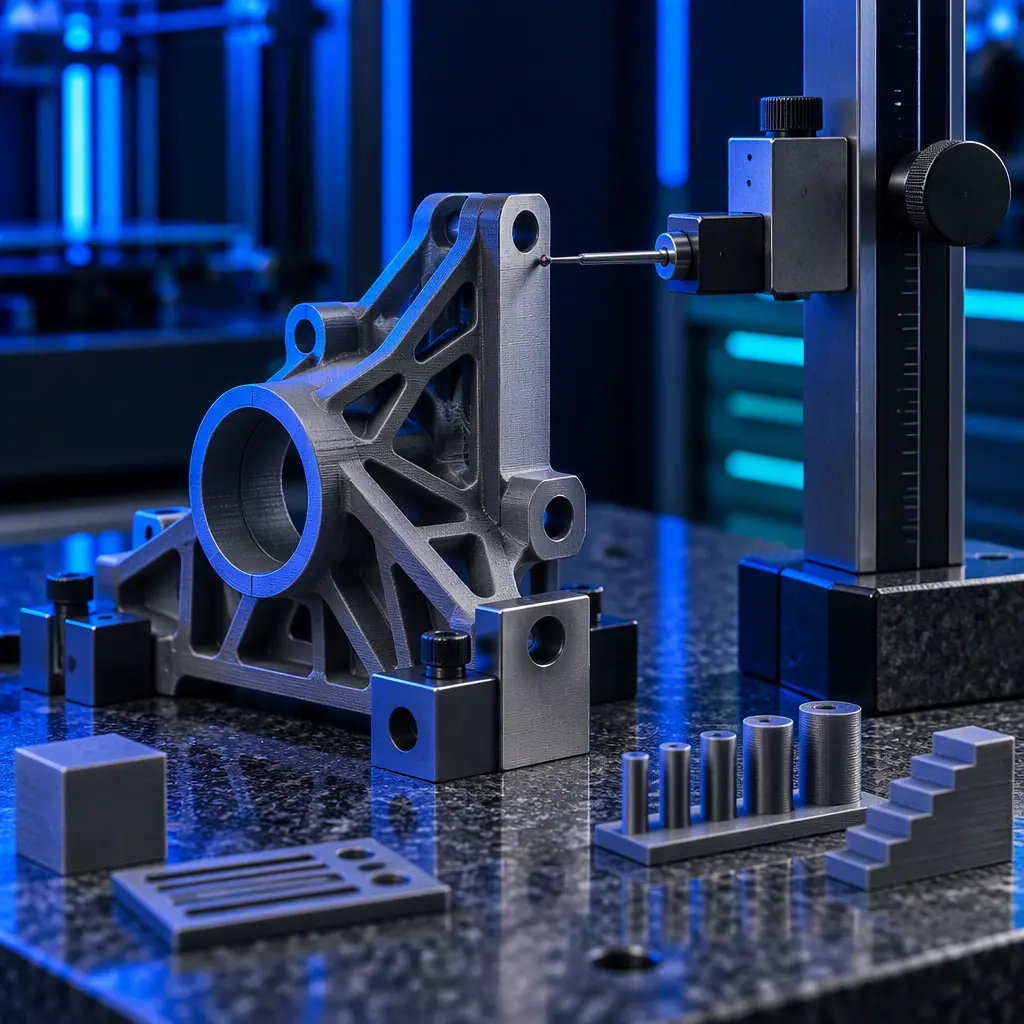
What a Working Quality System Produces
The output of FMEA and control plan work is not a document set for an audit. It is a measurable reduction in the two numbers that cost the most: internal scrap and customer returns. An operation that has ranked its failure modes properly can point to a specific line in the FMEA for each recurring defect, and can show which control was added and what happened to the recurrence rate afterwards.
- A short list of high-RPN modes with named owners. Typically six to twelve modes carry the majority of real risk.
- A control plan with a defined reaction per control. Written at the level an operator can execute at the machine, not at the level of policy.
- A recurrence log. Each return and each scrap event mapped back to an FMEA line, so the ranking stays current instead of ageing into fiction.
- A review cadence. Rankings revisited when material, geometry, or equipment changes, because a change that introduces a new failure mode invalidates the old plan.
The review cadence point is where distributor relationships become valuable. A customer adding an engineering-material machine or a heated chamber is introducing new thermal conditions, and a control plan written before the change no longer describes the process that is running. The qualification sequence for that situation is set out in our end-use component qualification protocol, and the production-approval framework for customers serving automotive and industrial accounts is covered in our PPAP guide.
What you're looking for: A direct mapping with a date and a control change means the system is closed-loop and working. A search through documents followed by an explanation means the FMEA is a past exercise rather than a live control.
Precise3D on Documented Process Control
At Precise3D, process control is a factory discipline rather than a marketing claim. Our 3,500 sqm Shenzhen production network applies a documented control plan at incoming and outgoing QC, with defined reaction paths for non-conforming material and dimensional results recorded against the batch. That is the same structure we recommend customers build on their own floor, and it is why we can supply the inspection documentation distributors need when their customers ask for evidence.
Our Pro X1 and OpenSource1 platforms pair a 320°C hotend with an actively controlled heated chamber and a rigid frame, which is what makes a control plan's thermal clauses enforceable rather than aspirational — chamber setpoints that actually hold, and dimensional behaviour that stays predictable across a long unattended run. Every unit ships with CE LVD (EN 62368-1:2014+A11:2017) and RoHS (EU 2015/863) documentation, and we provide distributors with the sensor mappings, spares lists and maintenance intervals that keep a documented process running as documented.
Reviewed by the Precise3D quality and engineering team. Scoring guidance, control frequencies and specification limits described here are industry-typical ranges provided for guidance and are not a guarantee of performance for any particular operation. Validate against your own application requirements and regulatory obligations before implementation.

Building a Quality System?
Want the FMEA Starter Template for Additive Manufacturing?
Tell us what you print and what has been coming back. We will send the additive-specific FMEA starter with the failure modes that matter for your process, plus the process parameters our machines are validated at so your control plan has real setpoints behind it.