What a Should-Cost Number Is For
A should-cost model is an independent estimate of what a printer ought to cost to build, assembled from the parts, the process and the labour rather than taken from the factory's quotation. It is not an accusation. It is the distributor's own view of the cost structure, and its value is that it converts a price negotiation from an exchange of opinions into an exchange of arguments about specific lines. A distributor with a should-cost model can say which cost driver looks high and why, which is a different conversation from asking for a better price.
The model also does something less obvious: it tells the distributor where the money is. Most of a desktop or mid-format printer's build cost sits in a handful of subsystems, and the remaining hundreds of components are collectively minor. A distributor who knows that the motion system, the hotend assembly and the electronics carry most of the material cost knows where a specification change is worth pursuing and where it is not, and stops spending negotiating effort on parts that move the number by pennies.
Building the Bill of Materials From a Teardown
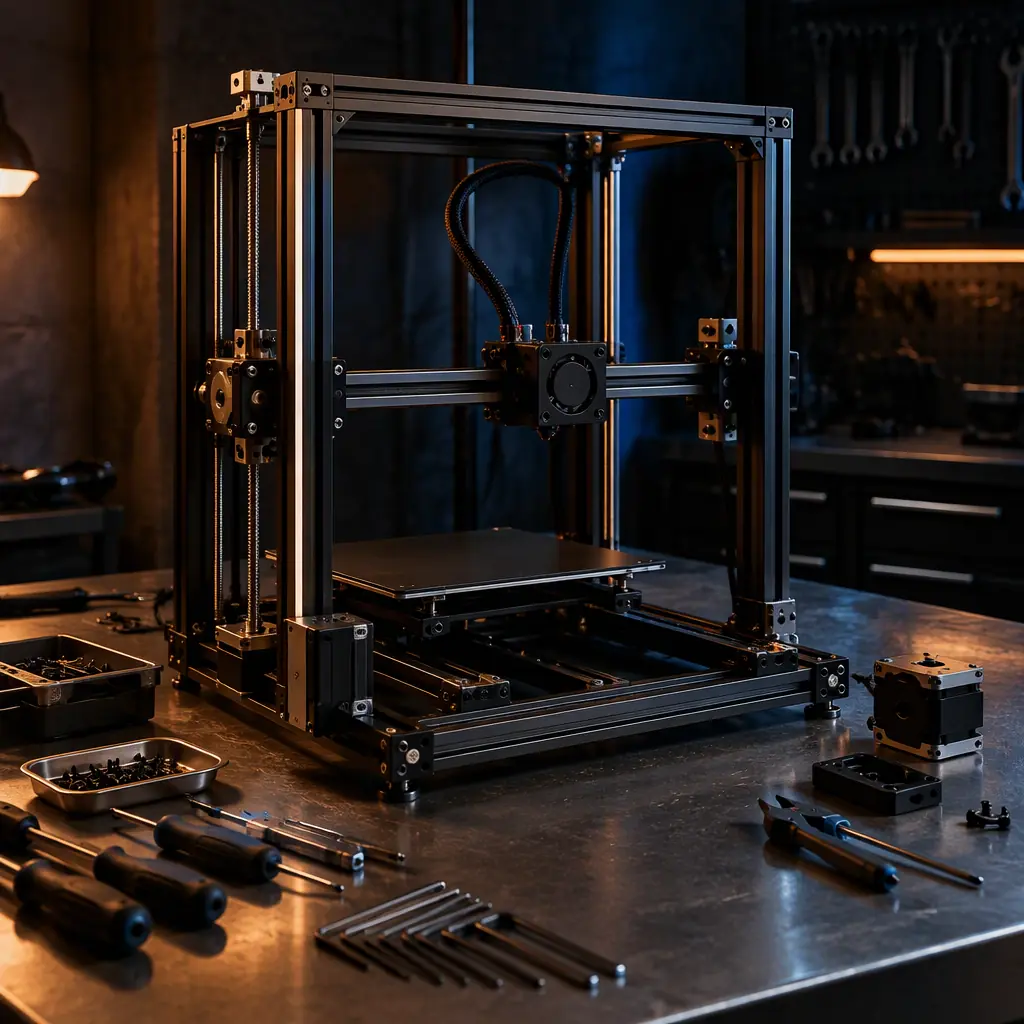
The teardown is the data-collection step, and its output is a structured list: every part, its quantity, its material or supplier where identifiable, and its estimated unit cost. A complete stripdown of a mid-format printer yields a bill of materials in the low hundreds of line items, which sounds daunting until it is grouped. The discipline is to record everything at the part level and then roll the list up into subsystem groups, because the negotiation happens at the subsystem level and the teardown happens at the part level.
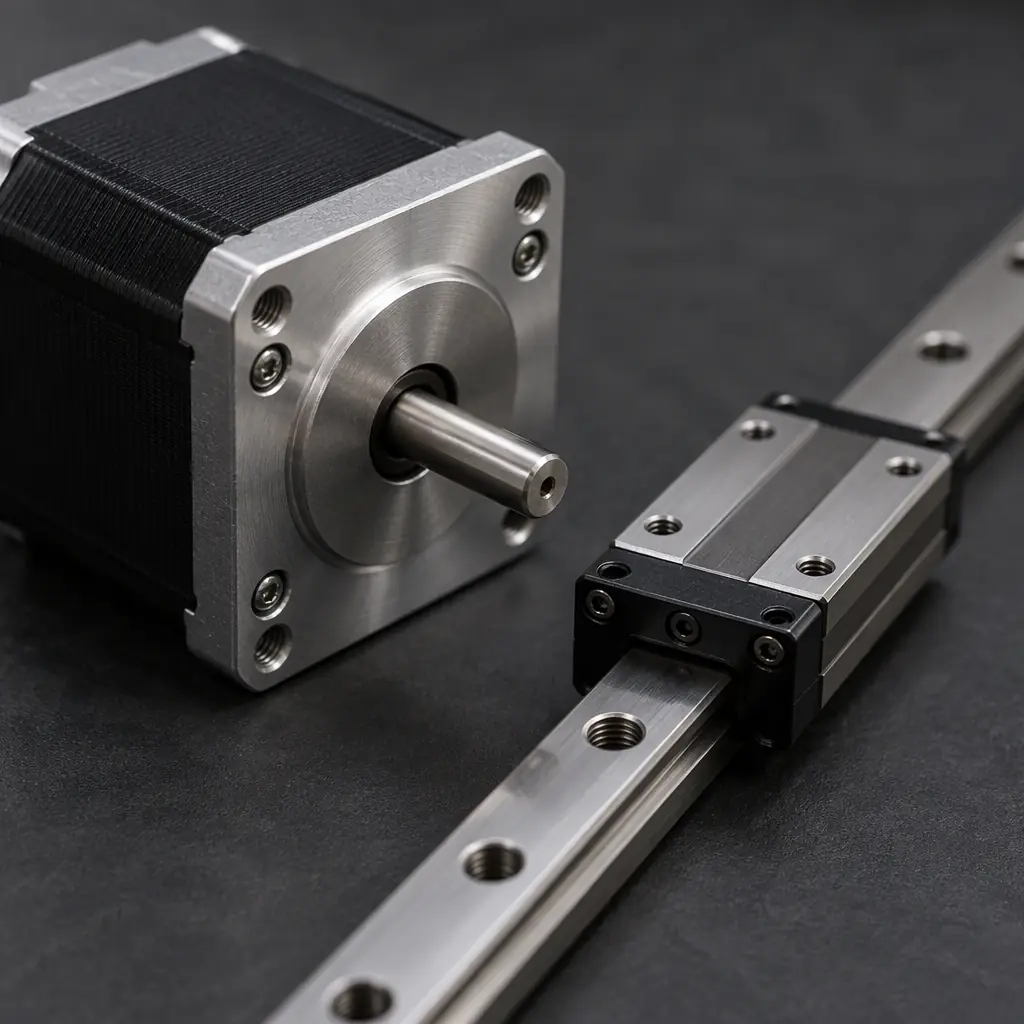
Some parts are identifiable on sight: the stepper motors, the leadscrews or linear rails, the hotend, the controller board, the power supply, the display. Those are the ones with visible cost and available market prices, and they anchor the estimate. Others are hidden in the estimate rather than the list: the frame extrusions and their fasteners, the wiring loom, the printed brackets, the labels and packaging. Recording the frame in metres of extrusion and the fasteners by type and count is what prevents the estimate from quietly omitting a tenth of the material cost. Being able to name the components is also what makes the exercise possible at all, and our guide to hotend technology and its cost tiers shows how much specification spread sits inside a single subsystem.
Costing the Parts You Cannot Price on Sight
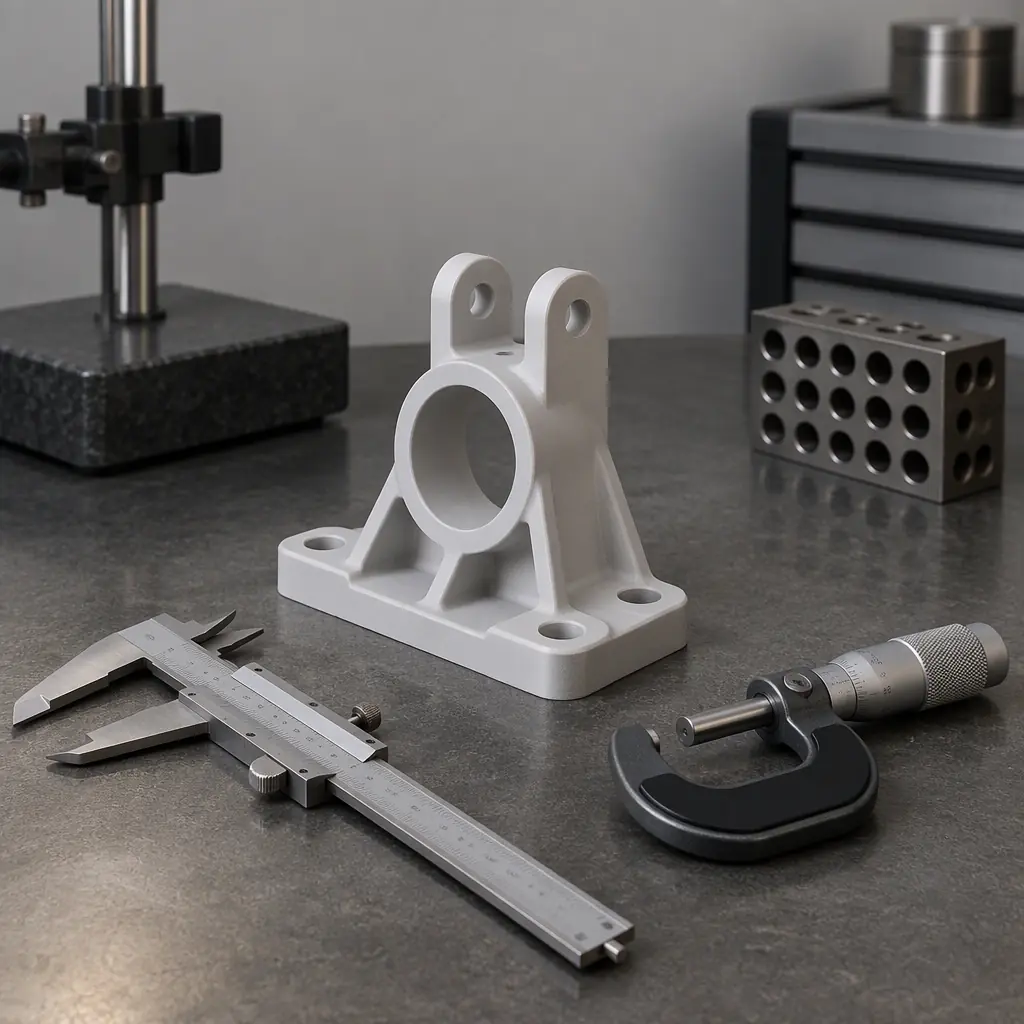
The parts that are hard to price are the ones the distributor has to estimate by category, and the error here is the error that sinks the whole model. A printed bracket, a small injection-moulded cover, a stamped plate or a machined mount all have a cost, and it depends on the process and the volume far more than on the material. The instinct is to guess a small number and move on, which systematically understates the frame and enclosure portion of the cost.
The defensible approach is to cost by process at the expected volume. Small plastic parts made in the hundreds or low thousands are typically injection-moulded if the tooling is already amortised, and their cost is dominated by the machine cycle rather than the resin. Machined metal parts are dominated by setup time until the volume is high enough to amortise a fixture. Printed parts are dominated by machine time. Naming the process for each hard-to-price part, and costing it at the volume the factory actually runs, is what separates a should-cost model that survives scrutiny from one that collapses the first time the factory asks how the number was built.
What you're looking for: For each significant line, a stated process, a volume assumption and a basis for the cost, whether that basis is a market price, a cycle-time estimate or a supplier quote.
If it fails: Any line without a stated basis should be flagged as low confidence rather than presented as fact. Low-confidence lines are what the negotiation should probe, not assert.
Boundary Condition: The model is a negotiating instrument, not an accusation. It is used to ask "why is this line here?", not to declare what a supplier may charge.
Assembly, Test and Overhead
The material cost is only part of the build cost. Assembly labour, test time and overhead are the balance, and in a printer they are not negligible because the product has real assembly content. The way to estimate assembly is to count the operations rather than to guess a total, working through the stripdown in reverse: the number of sub-assemblies, the fasteners per sub-assembly, the connections, the calibrations and the test steps at the end of the line.
A frame build, a motion-system install, an extrusion-assembly fit, a wiring loom, a bed and chamber fit, and a commissioning test is roughly the shape of the line, and each step has a plausible minutes-per-unit figure at a given skill level. Multiplying operations by minutes and then by a labour rate gives an assembly estimate that can be defended line by line. The test and calibration step is worth costing separately because it is the step a factory is most tempted to compress, and a compressed test step is the source of the field failures that cost the distributor far more than the labour it saved, as covered in our guide to early-life failure and DPPM escalation.
- Direct material. Every part in the bill of materials, including wiring, fasteners and packaging.
- Direct labour. Operations multiplied by minutes per operation, at a stated skill level and rate.
- Test and calibration. Costed as its own step, because it is the step most often cut.
- Factory overhead. Space, equipment and indirect labour, applied as a rate rather than invented.
- Yield and scrap. A realistic allowance for units that fail test, which is a real cost in a low-volume build.
- Margin. The factory's margin, added last and separately, so it can be discussed as its own line.
Using the Number in a Negotiation
The should-cost model changes what the distributor negotiates over. Instead of pushing on the total price, which invites the factory to make a small concession and end the discussion, the distributor opens specific lines. The motion system is the richest example: stepper motors, rails or wheels, belts and leadscrews together carry a large share of the material cost, and each has alternative specifications with different costs. Our comparison of linear rails against V-wheels sets out the trade the specification makes, and the should-cost model tells the distributor what that trade is worth in money rather than only in performance.
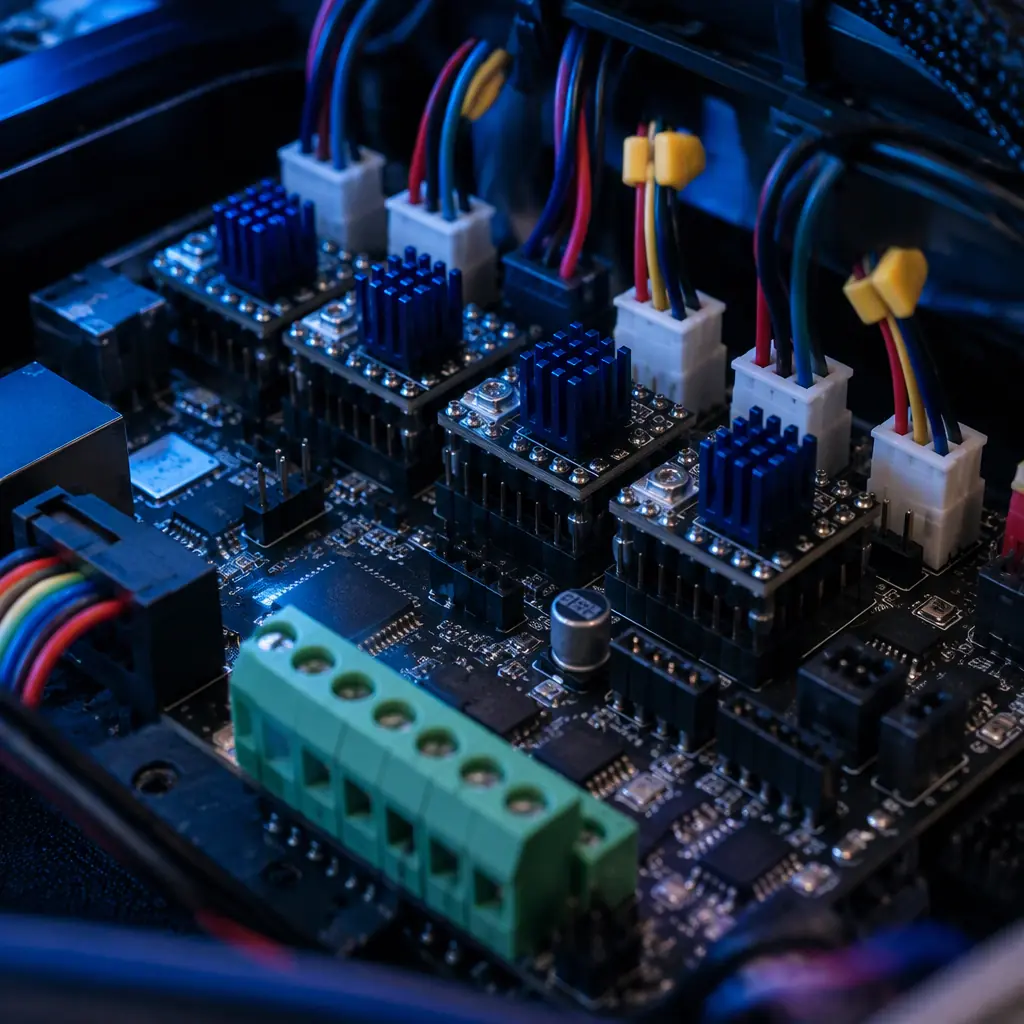
The same logic applies to the electronics and the extrusion assembly, and in each case the negotiation moves from the price of the printer to the cost of a choice. That is a far more productive frame because it lets the factory keep its margin while the distributor improves the cost structure, and it gives both sides a technical discussion instead of a commercial standoff. The mechanics of running that conversation are covered in our guide to OEM pricing negotiation with Chinese factories, and the model is what makes the discussion about the printer rather than about the price.
Keeping the Model Alive

A should-cost model is worth keeping because the second teardown takes a fraction of the time of the first. Rebuilding the bill of materials for a new model, or refreshing the cost of an existing one when a component price changes, is a matter of updating the lines that moved rather than starting again. Distributors who run the exercise once and file it away get one negotiation out of it. Distributors who keep it as a living document get a cost view of their entire portfolio, and that view is what turns a distributor from a reseller of someone else's product into a party that shapes the product, which is the ground covered in our guide to private-label and OEM sourcing.
Bottom Line
Should-cost analysis is not a bargaining trick, it is a way of understanding a product. The three steps are consistent: pull a bill of materials from a physical teardown and group it into subsystems, cost the hard-to-price parts by process and volume rather than by guess, and add assembly, test, overhead and margin as their own lines. The output is a number the distributor can defend line by line, and the value of that number is that it moves a negotiation from the total price to the specific choices inside it. A distributor who knows the cost structure of the printer they sell selects better, specifies better and buys better, and does it with a spreadsheet rather than a relationship alone.
OEM & White Label
Specify the Printer, Not Just Resell It
Precise3D works with distribution partners on component specification, volume pricing and private-label configurations, with a bill of materials and a cost structure they can see.