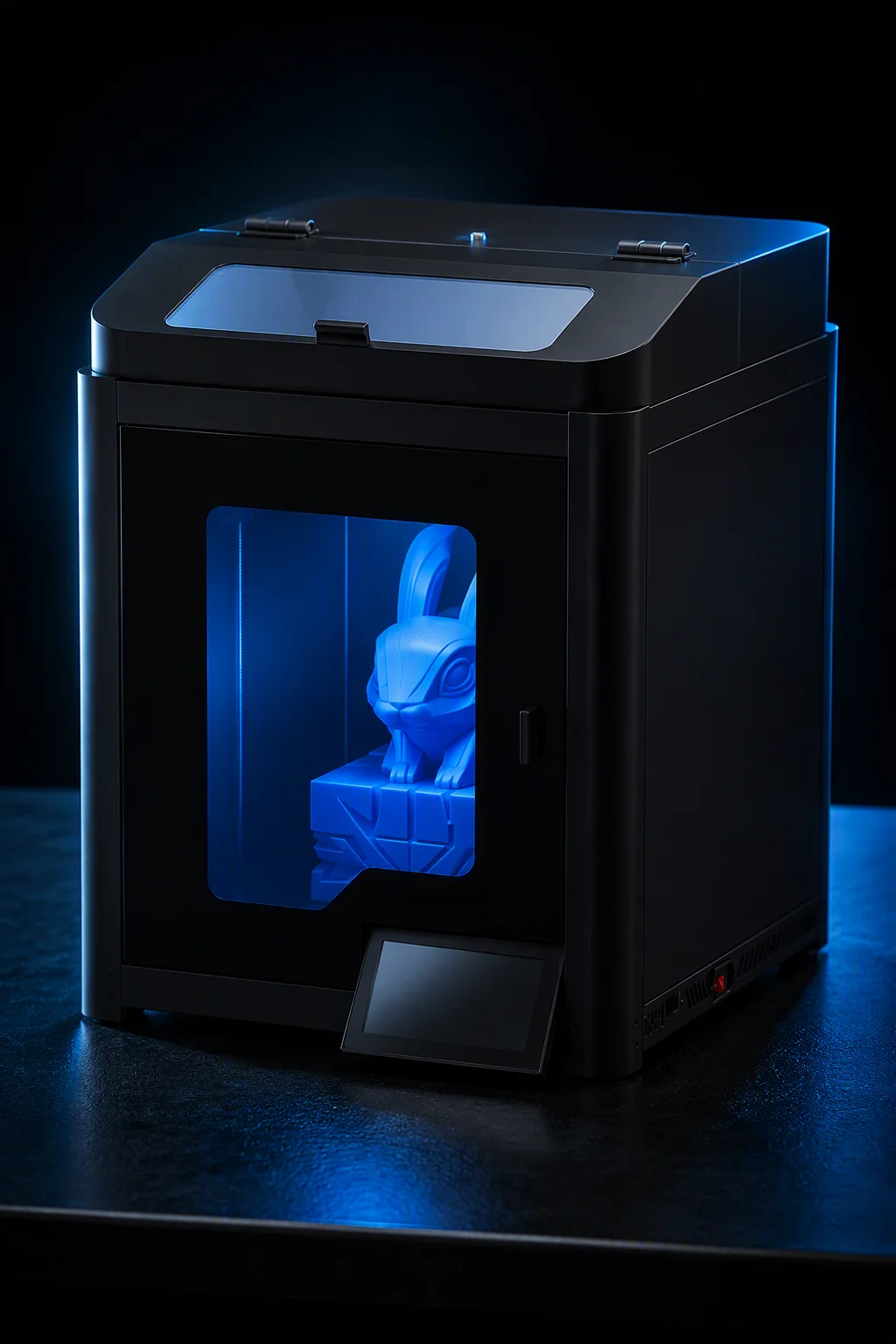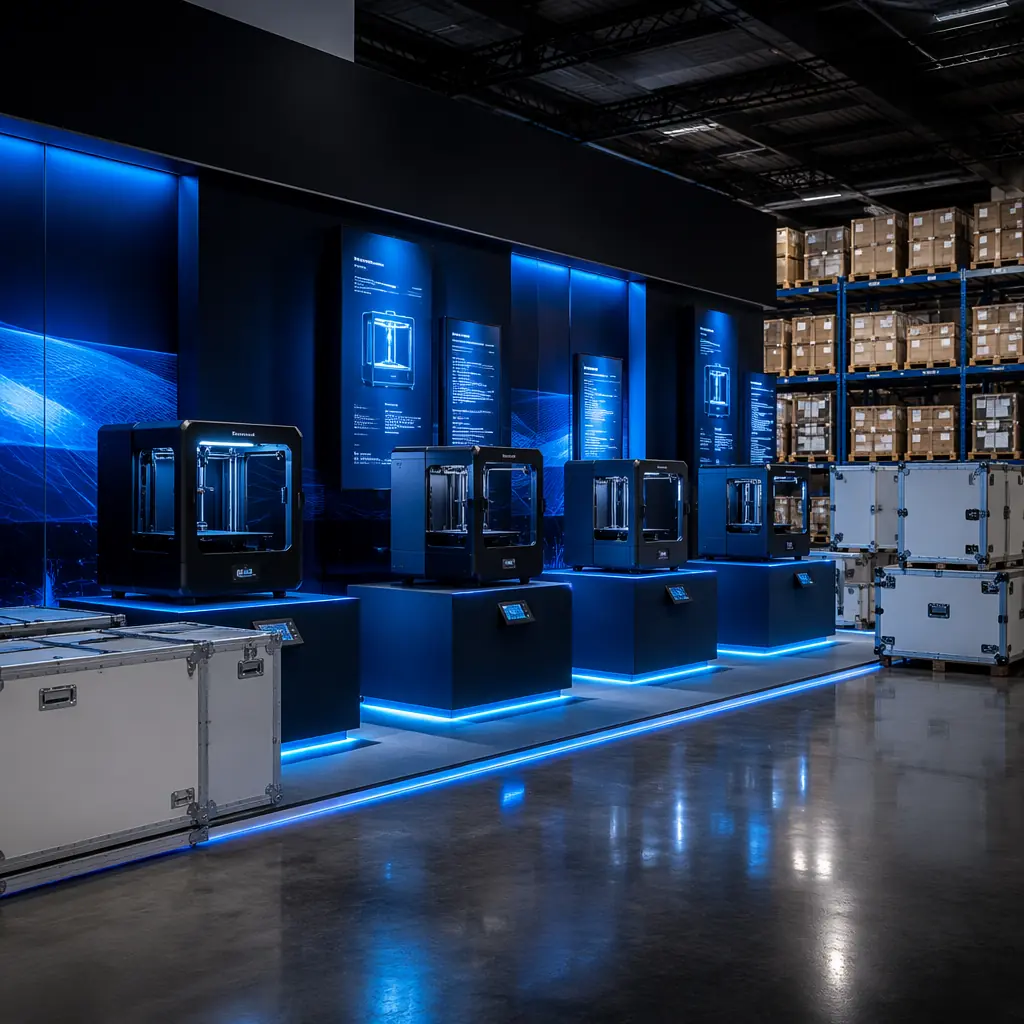
Most 3D printer distributors think of B2B marketplaces as manufacturer territory, a channel where Chinese factories list products at factory-direct prices, making it impossible for a distributor to compete. That assumption was true in 2019. In 2026, it's not just wrong; it's costing distributors $50,000–200,000 in missed annual revenue.
The B2B marketplace landscape has fragmented. Alibaba now has 25 million active buyers across 190 countries, Made-in-China.com processes 15 million RFQs annually, and Global Sources connects 1.5 million buyers to verified suppliers. But here's what changed: buyers on these platforms increasingly prefer local or regional distributors over direct-from-factory for three reasons, faster shipping (3–5 days vs 25–45 days sea freight), local warranty support, and payment in local currency with local terms. A distributor who understands how to position on these platforms can capture wholesale demand that factories can't fulfill.
1. Platform Comparison: Where to Invest Your Listing Budget
Not all B2B marketplaces deliver the same buyer quality for 3D printers. Here's how the three major platforms compare for consumer and prosumer 3D printer distribution:
Alibaba is the default starting point. It has the largest buyer base, the most sophisticated RFQ matching, and Trade Assurance which gives first-time buyers confidence to place orders with unfamiliar suppliers. But Alibaba also has the most competition: a search for "3D printer wholesale" returns 8,000+ listings. Standing out requires a structured approach to listing optimization that most distributors skip. Made-in-China and Global Sources have fewer 3D printer listings (better visibility) but also fewer buyers (10–30% of Alibaba's volume). The strategy that works: maintain a premium Alibaba storefront as your primary marketplace presence, and list on Made-in-China or Global Sources for specific buyer segments, industrial, government procurement, and education institutional buyers over-index on these platforms.
Your marketplace strategy should integrate with your broader e-commerce approach. See our e-commerce strategy guide for how B2B marketplaces fit alongside Amazon, Shopify, and regional platforms.
2. Positioning: Why a Buyer Should Choose a Distributor Over a Factory
This is the psychological barrier every distributor faces on B2B marketplaces. The same product is listed by 12 factories at $149 FOB and by you at $249 EXW. The buyer sees the price difference and moves on. Unless, and this is the entire game, you make the value proposition so clear that price becomes secondary. Here's the positioning framework that converts:
Don't hide the price difference, lead with it. Your listing headline should be something like: "Local-Stock 3D Printers, 3-Day Delivery vs 30-Day Sea Freight, Full Local Warranty, No Customs Risk." The buyer who chooses the $149 factory listing over your $249 listing is not your customer. Your customer is the one who's been burned by a factory-direct purchase: the shipment arrived damaged, the warranty was worthless, and reordering consumables took six weeks. That buyer will pay a 60–80% premium for local availability and support. The trick is making sure they understand what they're paying for before they click away.
Certification compliance is a critical part of the distributor advantage. Buyers on B2B platforms often assume products are certified when they're not. Our import certifications guide covers the CE, FCC, RoHS, and UL requirements that turn certification from a risk into a selling point.
3. Listing Optimization: The 7 Elements That Determine Marketplace Conversion
Alibaba's algorithm ranks listings based on a combination of relevance, engagement, and transaction history. But the conversion funnel on B2B marketplaces is different from consumer e-commerce. Buyers don't add-to-cart, they send an inquiry. Your listing's job is not to sell the product; it's to generate a qualified RFQ. Here's what moves the needle:
1. Product title (first 80 characters determine search ranking). Structure: [Core Product] + [Key Differentiator] + [Target Buyer] + [Certification]. Example: "Enclosed CoreXY 3D Printer 300mm/s, Local EU/US Stock, CE/FCC Certified, Wholesale & Distributor Pricing." The algorithm weights the first 5–7 words most heavily; front-load your key terms.
2. Main image. Factory listings show a white-background product shot. You show the printer in a real environment, on a desk, printing a recognizable object, with your branding visible. Buyers click real-environment images 2.3× more than white-background shots because they signal "this is a real company, not a trading company with a stock photo."
3. Price range display. Never show a single price. Show a range: "$199–499 depending on quantity and configuration." Single prices attract price-shoppers who compare you to factories. Ranges attract serious buyers who want to discuss options. And those are the conversations that close at 35%+ margin.
4. MOQ (Minimum Order Quantity). Set MOQ to 1 unit for sample orders and 5–10 units for wholesale pricing. A MOQ of 50 will filter out 90% of buyers. A MOQ of 1 will get you inundated with consumer inquiries. The sweet spot: 1 unit sample, 5-unit wholesale tier.
5. Detailed description. This is where you differentiate. Structure: ① Local stock availability by region ② Warranty and support terms ③ Certification documentation ④ Shipping options and timelines ⑤ Customization/private-label availability. Use comparison tables showing your offering vs factory-direct. Factories won't do this because it undermines their model. You can, and it's your strongest conversion tool.
6. Company profile. Alibaba's verified supplier badge increases inquiry rates by 40%. Complete your profile with: factory audit reports, trade show participation photos, warehouse photos, team photos. Buyers are assessing credibility; a complete profile signals permanence.
7. Response rate and time. Alibaba tracks response metrics publicly. A response rate below 90% or average response time above 4 hours will suppress your listing in search results. Set up the Alibaba TradeManager mobile app and respond to every inquiry within 2 hours, even if it's just "Thank you for your inquiry, I'll send a detailed quote within 24 hours."
4. Lead Qualification: Filtering Buyers Who Will Actually Close
B2B marketplaces generate a high volume of low-quality inquiries, students asking for free samples, competitors pricing your catalog, individuals wanting single units at wholesale prices. If you respond to every inquiry with the same effort, you'll burn 20 hours a week on conversations that never close. Here's the qualification framework that separates $50K orders from time-wasters:
Implement a two-tier response system. Tier 1 (high-quality leads): personalized response within 2 hours, detailed quotation within 24 hours, follow-up at 3 days and 7 days. Tier 2 (low-quality leads): templated response with price range and MOQ requirements, no follow-up unless they respond with specific quantities. This system reduces inquiry-handling time by 60% while increasing close rates on qualified leads by 25%. Because your sales energy goes where it actually produces revenue.
For distributors importing from China, understanding the full logistics picture strengthens your marketplace positioning. Our import and customs guide covers HS codes, tariffs, and clearance procedures that inform your pricing and delivery promises. Once you've landed the stock, a robust inventory and SKU planning system ensures your marketplace listings never go out of stock during peak inquiry periods.
5. Avoiding Channel Conflict: Marketplace vs Direct Sales
The biggest risk of marketplace selling for an established distributor is channel conflict. If your direct sales team is quoting $299 to a regional buyer and that buyer finds your Alibaba listing at $249, you've just trained your best customer to never trust your direct pricing again. Here's how to prevent this:
Separate your SKUs by channel.
The printers you list on marketplaces should be last-generation models, excess inventory, or marketplace-exclusive configurations (different color, bundled accessories, region-specific voltage). Never list your current flagship model at marketplace pricing, that's what your direct sales team sells. Marketplace = clearance + volume + emerging market entry. Direct sales = current models + relationship pricing.
Geographic pricing tiers.
Use Alibaba's regional pricing feature to set different prices for different buyer countries. A buyer in Germany sees €229. A buyer in Nigeria sees $199. A buyer in your home market sees "Contact us for local pricing", which routes them to your direct sales team. This prevents the most common form of channel conflict: domestic buyers using your marketplace listing to negotiate against your sales team.
Marketplace as lead gen, not primary sales.
The distributors getting the best ROI from B2B marketplaces treat them as a top-of-funnel lead generation channel, not a transaction platform. Their goal is to move the conversation off-platform, to email, WhatsApp, or a video call, within three messages. The marketplace listing generates the inquiry; the personal relationship closes the deal. Once a buyer is in your CRM, they never see marketplace pricing again.
For distributors ready to move beyond reselling and into brand ownership, marketplace presence becomes even more strategic. Our private-label brand guide covers how marketplace data (which products get the most inquiries, at what price points, from which regions) directly informs your OEM sourcing strategy.
The Marketplace Math
A distributor investing $3,000/year in an Alibaba Gold Supplier membership and spending 10 hours/week on inquiry management can reasonably expect: 80–150 inquiries per month, of which 15–25 are qualified, converting to 3–8 wholesale orders per month at an average order value of $3,500–8,000. That's $10,500–64,000 in monthly marketplace revenue at 25–35% margin, or $31,500–268,000 annually. Against a $3,000 platform investment and ~500 hours of labor, the ROI is 10–50× even at conservative conversion rates.
The distributors ignoring B2B marketplaces are leaving this revenue on the table. And worse, they're ceding the channel to competitors who are building marketplace reviews, transaction histories, and buyer relationships that compound month over month. In B2B marketplaces, the first mover in a category builds a moat that latecomers pay 3–5× more to cross. The time to claim your category is before your competitors do.
Reviewed by the Precise3D engineering & OEM team. Compliance files that accompany the catalog are auditable at the certification register.
Your Marketplace Partner
Ready to Launch Your B2B Marketplace Channel?
Join our network of global distributor network. We provide marketplace-ready product imagery, certification documentation packages, and co-branded listing templates that accelerate your platform presence. Factory-direct pricing on marketplace-exclusive SKUs keeps your channel strategy clean.