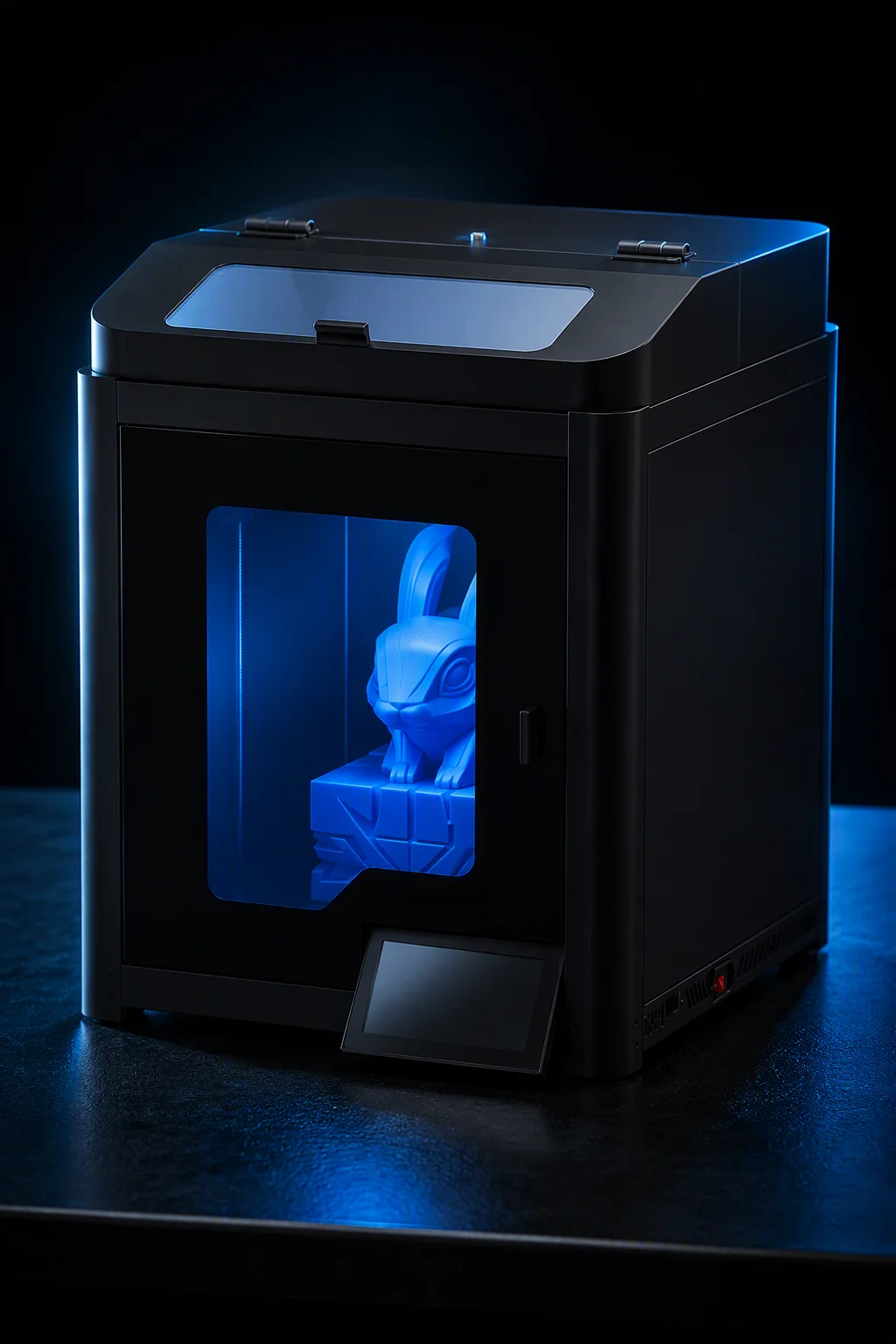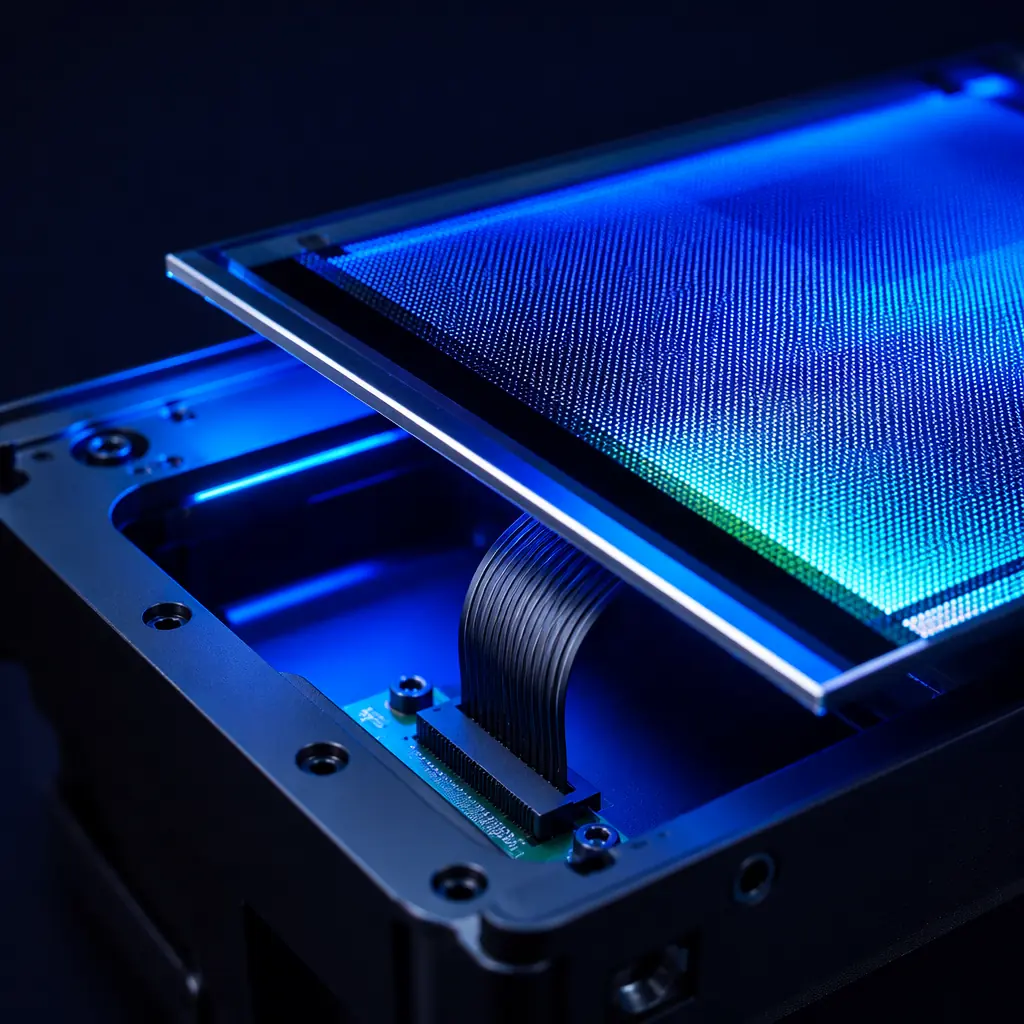
Ask any resin 3D printer distributor what their top consumables revenue driver is, and they'll say resin. They're right, but only half right. Behind every bottle of photopolymer resin sold sits a component with a predictable, unavoidable failure cycle: the LCD screen. MSLA printers use a monochrome LCD as a masking layer between the UV light source and the resin vat. That screen is bombarded with 405nm UV light for thousands of hours. It degrades. It fails. And when it does, the customer needs a replacement immediately . Not in two weeks from an overseas warehouse they've never heard of. The distributor who stocks LCD screens captures a revenue stream that compounds with every resin printer sold: one printer = one screen replacement every 12–18 months, for the life of the machine.
Why LCD Screens Are Consumables, Not Components
A common mistake among new resin printer distributors is treating LCD screens like stepper motors or power supplies, components that fail occasionally and get replaced under warranty. The physics says otherwise. Monochrome LCD panels in MSLA printers use a liquid crystal layer that blocks or transmits UV light to selectively cure resin. Each pixel is a microscopic shutter cycling on/off thousands of times per print. The cumulative UV exposure degrades the liquid crystal material, reducing contrast ratio and eventually causing dead pixels. Unlike an FDM nozzle that wears visibly, an LCD screen degrades in ways the operator may not notice until print quality collapses, layer shifts, loss of fine detail, or complete failure to cure.
At 8 hours of printing per day, a monochrome 4K screen reaches its replacement window in 7–10 months. At 12 hours/day, typical for a dental lab running production prints, that drops to 5–6 months. These aren't edge cases. They're the normal operating profile of any customer who bought a resin printer for more than weekend hobby use. For a broader view of resin printer economics, see our resin printer distribution guide.
The Revenue Math: One Printer = Years of Screen Sales
Let's put numbers behind the model. A dental lab distributor sells 50 resin printers to dental clinics in year one. Each clinic runs 10 hours/day, putting their 4K monochrome screens at ~2,000 hours replacement interval, roughly every 6.5 months, or ~1.8 replacements per year. At a $35 distributor selling price with a $20 landed cost, each screen replacement generates $15 profit. Over a 5-year printer lifespan: $15 × 1.8 replacements × 5 years = $135 per printer in screen replacement profit. For 50 printers: $6,750/year in screen profits, or $33,750 over 5 years. That's on top of resin, FEP film, build plates, and the printer margin itself.
The hobbyist row looks negligible. But hobbyists are 60–70% of most distributors' resin printer customer base. At 200 hobbyist customers averaging 0.5 replacements/year at $7 profit each: $700/year. Add 30 dental labs at $33/year each ($990) and 20 print farms at $65/year each ($1,300), and the screen replacement business alone contributes $2,990/year in profit, with zero additional customer acquisition cost. For the full aftermarket picture, read our spare parts aftermarket guide.
Which Screens to Stock: A Compatibility Matrix
LCD screens are not universal. Each MSLA printer model uses a specific screen size, resolution, and ribbon cable connector. Stocking the wrong screen means dead inventory. Stocking the right screens for the printers you sell means one-day turnaround for customers who can't afford a week of downtime. The stocking decision follows your printer portfolio: if you sell 6K and 8K mid-size printers to dental labs, stock their specific 8.9-inch and 10.1-inch 8K mono screens. If you sell entry-level 2K/4K printers to hobbyists, stock the 5.5-inch and 6-inch 4K mono screens with the correct ribbon orientation (30-pin vs 40-pin, left-exit vs right-exit).
Screen compatibility is determined by three parameters: diagonal size (inches), native resolution (pixels), and ribbon cable pin count and orientation. A 6.08-inch 4K mono screen with a 40-pin left-exit ribbon will not work in a printer designed for a 6.23-inch 4K mono screen with a 30-pin right-exit ribbon, even if the resolution is identical. Distributors should maintain a compatibility matrix mapping each printer SKU to its exact replacement screen part number, and include that part number in the printer's product page and quick-start guide. For stocking strategy fundamentals, see our inventory management guide.
Pricing Strategy: The Urgency Premium
LCD screen pricing follows a simple logic: the customer is buying uptime, not hardware. A dental lab losing $400/day in production because a screen failed will pay $45 for a replacement shipped today. Not comparison-shop for a $28 screen from AliExpress that arrives in 3 weeks. Distributors who stock screens locally capture an urgency premium that direct-from-factory sellers cannot match. The pricing model that works across our distributor network:
Entry screens turn fastest because hobbyists break things. FEP punctures that leak resin onto the screen are the #1 cause of premature failure. Mid and pro screens turn slower but at higher margins. The inventory sweet spot: stock 3 units of each screen SKU per 50 active printers of that model. A distributor with 200 resin printers in the field carries ~12 screens total, roughly $300–500 in inventory, and generates $2,000–4,000/year in screen replacement profit. For pricing strategy across all consumables, see our distributor pricing guide.
Building the Replacement Pipeline: When Screens Fail
The most profitable screen replacement is the one the customer buys from you, not from a competitor or a marketplace seller. Building that pipeline starts at the point of printer sale. Include a one-page "Screen Life Expectancy" card in every resin printer box, with the expected replacement interval for that model and your part number for the replacement screen. Offer a 5% discount on the first screen replacement with the printer purchase (redeemable within 18 months, most customers will redeem at month 10–14). Send an automated email at month 8, 12, and 16 with a screen health checklist: check for dead pixels (run a full-screen exposure test), look for contrast degradation (sharper edges on calibration prints indicate screen wear), and remind them your replacement screen ships same-day.
For dental labs and print farms running production hours, offer a screen subscription: $9/month includes one replacement screen shipped every 8 months, with expedited replacement for premature failures. At $108/year per subscription with a $20 landed screen cost ($40/year for two screens), the gross margin is 63%, and the customer never shops for screens anywhere else. One hundred subscriptions = $6,800/year in recurring profit from a single consumable SKU. For subscription program structure, see our consumables subscription guide.
Reviewed by the Precise3D engineering & OEM team. Compliance files that accompany the catalog are auditable at the certification register.
Start Your Screen Program
Get LCD Screen Wholesale Pricing & Compatibility Data
Complete screen compatibility matrices for every MSLA printer in our catalog, wholesale pricing tiers by volume, and pre-built customer email sequences for replacement campaigns.