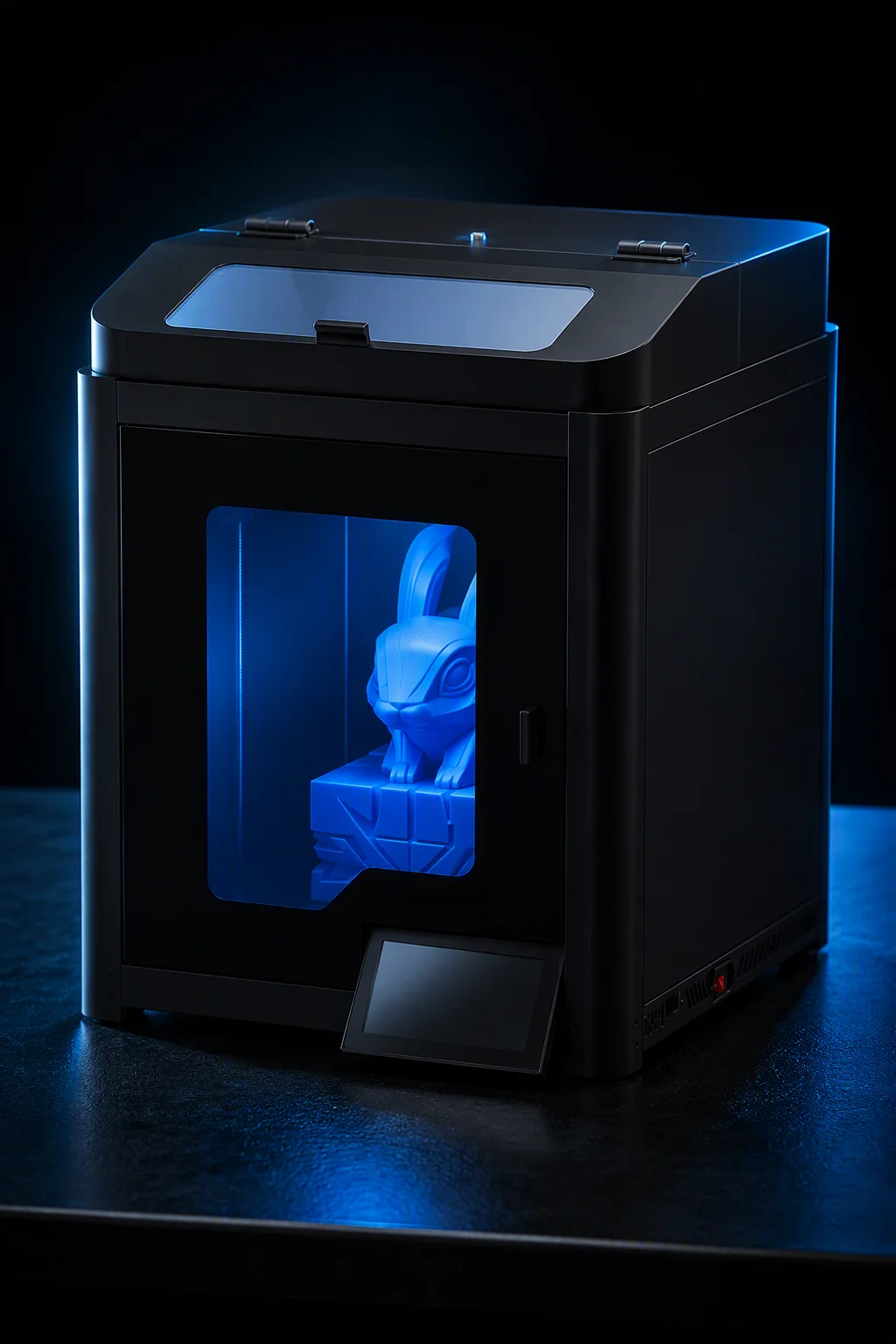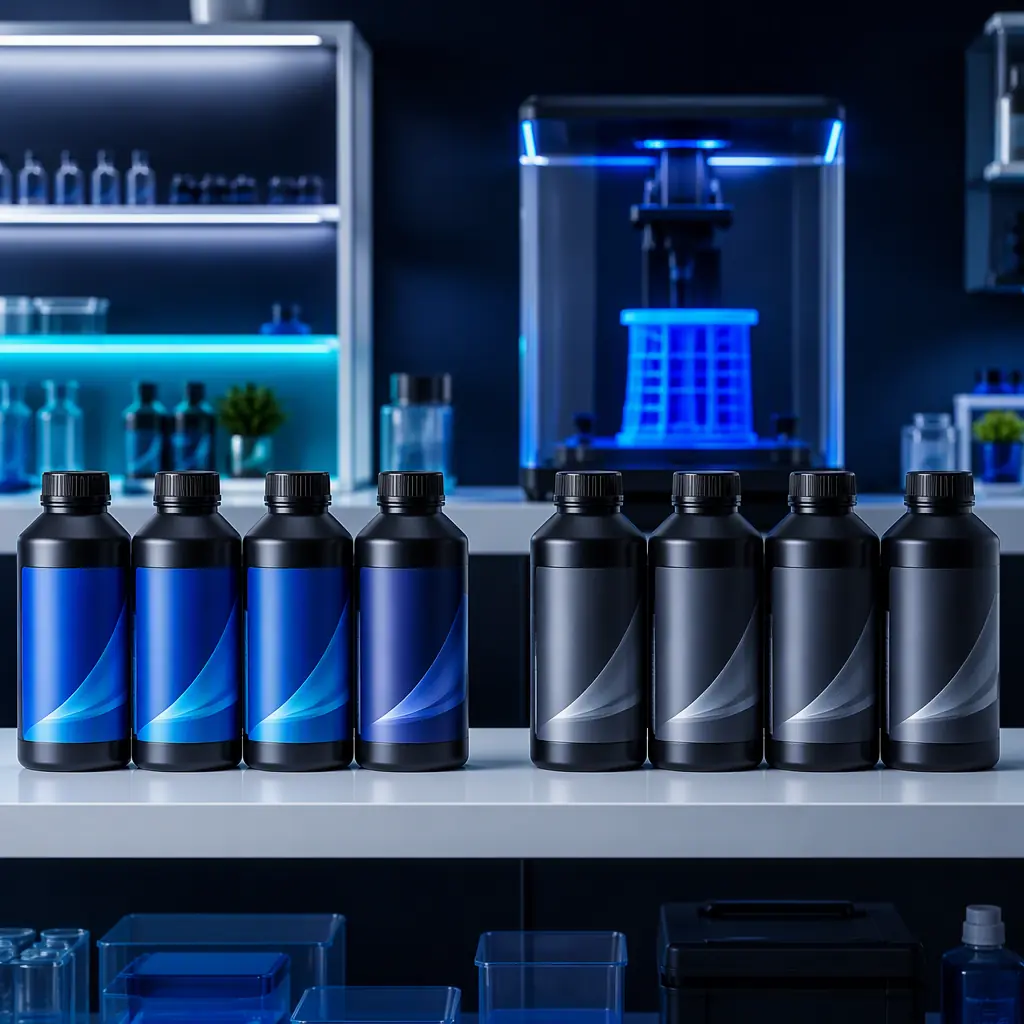
For the first decade of consumer resin 3D printing, the post-processing workflow was a non-negotiable part of ownership: remove the print from the build plate, submerge it in isopropyl alcohol (IPA) for 5–10 minutes to dissolve uncured resin, let it dry, then post-cure under UV light. The IPA step was the friction point — flammable, odorous, requiring a separate washing station, and adding approximately $0.50–1.00 per print in consumable solvent cost. Water-washable resins changed that equation by reformulating the photopolymer chemistry to be soluble in plain tap water. No IPA. No solvent disposal. No fire hazard. For the end user, it removed the single biggest objection to resin printing. For the distributor, it opened a premium consumables category with a clear customer value proposition — but one that requires a different inventory, pricing, and education strategy than standard resin.
The Post-Processing Cost Equation: Why Customers Pay More for Water-Washable
To understand the margin opportunity in water-washable resins, start with what the customer actually saves. A hobbyist printing 2 liters of standard resin per month spends approximately $15–25 on IPA (1 liter at $8–12, replaced every 3–4 weeks as it becomes saturated with dissolved resin), plus the upfront cost of a washing and curing station ($80–150) or a DIY ultrasonic cleaner setup ($40–70). Over a 12-month period, the total post-processing cost for standard resin is $220–370 including equipment amortization. With water-washable resin, the post-processing cost drops to essentially zero — tap water, a dedicated washing container ($5–10 one-time), and the same UV curing station. The annual savings of $180–340 more than offsets the $8–12 per liter premium that water-washable resin commands over standard resin at retail. The customer's total cost of ownership is actually lower, even though the per-bottle price is higher.
The breakeven economics shift further in water-washable's favor for low-to-moderate volume users (printing 1–4 liters per month), who represent approximately 70% of the consumer resin market. At these volumes, the fixed cost of IPA and wash-station equipment dominates the total post-processing spend, and switching to water-washable resin produces a clear net savings. For high-volume users — dental labs printing 10–20 liters per month, print farms running production parts — the per-liter price premium of water-washable resin outweighs the IPA savings, and standard resin remains more economical. This volume threshold is the key to segmentation: water-washable resin is a consumer and education product; standard resin is a production and professional product.
Wholesale Pricing and Distributor Margin Structure
Water-washable resin commands a higher wholesale price than standard resin — approximately $10–14 per liter versus $6–9 per liter for generic standard photopolymer resin in 1kg bottles, FOB Shenzhen. The percentage margin to the distributor is similar (40–55% for both categories), but the absolute margin dollars per bottle are approximately 60–80% higher: $6–9 per bottle for water-washable versus $3.50–5.50 for standard. A distributor selling 500 bottles per month generates approximately $3,000–4,500 in gross margin from water-washable resin versus $1,750–2,750 from the same volume of standard resin — a 70% increase in margin dollars with no additional warehousing or shipping cost (1kg is 1kg regardless of chemistry).
However, the margin story has a second chapter: customer acquisition cost reduction. A first-time resin printer buyer who starts with water-washable resin is approximately 40% less likely to contact support for post-processing issues (sticky prints, IPA handling questions, wash-station setup problems) and 25% more likely to reorder consumables within 90 days. The reduced support burden translates to an estimated $4–8 per customer in saved labor cost over the first year, and the higher reorder rate compounds the margin advantage. For a distributor who sells resin printers and consumables together, the bundling economics favor water-washable: start the customer on water-washable to reduce the barrier to entry and support costs, then upsell to standard resin when they scale to production volumes. For a broader view of resin product portfolio strategy, see our resin types selection guide and our resin printer distribution guide.
Customer Segmentation: Who Buys Which Resin
The choice between water-washable and standard resin maps closely to customer type, and understanding this segmentation is the key to stocking the right mix. Five distinct segments have clear preferences:
Hobbyists and beginners (40% of market volume):
Strong preference for water-washable. These customers buy resin printers because they want to print miniatures, jewelry molds, or decorative items — not because they want to manage a chemical workflow. The elimination of IPA is the single most effective conversion lever. A first-time buyer shown a water-washable starter kit (printer + 2 bottles water-washable resin + wash container) converts at approximately 2x the rate of a standard resin kit. Price sensitivity is moderate — they will pay the $8–12 per bottle premium for the convenience. Education and STEM labs (15% of volume): Overwhelming preference for water-washable. Schools cannot have flammable solvents (IPA) in classrooms without specialized storage and ventilation. Water-washable resin makes resin printing viable in any classroom with a sink. The procurement decision is driven by safety compliance, not per-bottle price — a school ordering 20 bottles per semester for a lab program will pay the premium without negotiation. Our education market guide covers the procurement process in detail.
Dental labs and professional users (25% of volume):
Strong preference for standard resin, specifically dental-grade and engineering formulations. Dental model resins, surgical guide resins, and castable resins for jewelry are predominantly standard-photopolymer formulations that have undergone regulatory certification (FDA Class II, CE Mark medical device). Water-washable alternatives exist but have not yet achieved the same regulatory approvals or clinical validation data. These customers are not price-sensitive — a dental lab spending $200/month on resin does not care about a $10/bottle difference — but they are certification-sensitive. Stocking both standard dental resins and a limited selection of water-washable model resins for the growing chairside printing segment covers this market. Print farms and production users (15% of volume): Preference for standard resin based on per-liter economics. At 20+ liters per month, the $8–12 per liter water-washable premium becomes significant ($160–240/month), and the IPA workflow is already amortized across high volume. Production users optimize for material cost, not convenience. Jewelry and artistic users (5% of volume): Mixed preference. Castable resins for lost-wax casting are predominantly standard formulations with proven burnout characteristics. But water-washable resins in specialty colors (clear, translucent blue, emerald green) are growing rapidly in the decorative and artistic segment, where the visual result matters more than the per-bottle price.
Margin Impact: The 45% water-washable allocation generates approximately 55% of total consumables margin dollars despite being less than half the volume — the absolute margin per bottle drives disproportionate contribution.
Performance Trade-offs: What Water-Washable Resin Does Differently
Water-washable resins are not simply standard resins with a different solvent profile — the reformulation changes several performance characteristics that distributors should understand to set accurate customer expectations. Detail and resolution: Water-washable resins typically produce slightly softer fine details than premium standard resins (8–12% reduction in edge sharpness on features below 0.3mm, per independent testing). This is noticeable on miniature figures with fine facial features or jewelry models with delicate filigree, but invisible on larger functional parts. The trade-off is acceptable for the hobbyist and education segments but disqualifying for high-detail dental models. Brittleness: Early water-washable formulations (2019–2021) were significantly more brittle than standard resins, prone to cracking on thin-walled parts. Current-generation formulations (2024–2026) from major manufacturers (Anycubic, Elegoo, Phrozen) have closed the gap to within 5–10% of standard ABS-like resin impact resistance. Distributors should only stock 2024+ formulations to avoid the brittleness reputation. Water disposal: The "washable" claim requires a critical asterisk: the water used to wash prints contains dissolved uncured photopolymer resin and must not be poured down the drain. It should be exposed to UV light (sunlight or a curing station) to solidify the dissolved resin, then filtered through a coffee filter before disposal. Distributors who include a one-page disposal instruction card with every water-washable resin sale reduce the downstream environmental complaints that generate negative reviews. Shelf life: Water-washable resins have a slightly shorter shelf life than standard resins — approximately 12–18 months versus 18–24 months for unopened bottles stored at 20–25°C. Inventory management should prioritize FIFO (first-in-first-out) rotation for water-washable stock and avoid bulk purchases exceeding 6 months of projected demand.
Market Growth and Competitive Dynamics
The water-washable resin segment grew from approximately $45 million in global wholesale revenue in 2022 to an estimated $180 million in 2025, a compound annual growth rate of 59% — far outpacing the 12–15% growth of the overall resin consumables market. The primary growth driver is the expanding installed base of consumer resin printers: approximately 1.2 million LCD/MSLA resin printers were sold globally in 2025, up from 650,000 in 2022, and the majority of these new buyers are first-time resin printer owners who gravitate toward water-washable formulations for the simplified workflow.
Three competitive dynamics are shaping the segment: Manufacturer consolidation: The water-washable resin market is consolidating around 5–6 major manufacturers (Anycubic, Elegoo, Phrozen, Siraya Tech, Sunlu, and a growing presence from Creality's Halot-branded resin line) who collectively account for approximately 70% of global production. Smaller generic manufacturers are being squeezed out by brand recognition and quality consistency — a positive development for distributors, who benefit from stable supplier relationships and reduced quality variance. Color and formulation expansion: Early water-washable resins were available only in gray and white. Current product lines include 15–25 colors including translucent, skin-tone, and fluorescent formulations, plus engineering variants with ceramic-filled and high-temperature (HDT 80–120°C) properties. Each new color/formulation SKU increases the addressable market without cannibalizing existing sales. Price compression at the high end: As competition intensifies among the top manufacturers, wholesale prices for premium water-washable resin have declined approximately 15% since 2023 (from $14–18/kg FOB to $10–14/kg), while retail prices have held relatively stable ($28–38/L). The widening gap between wholesale and retail pricing is increasing distributor margin — a favorable trend that will likely continue for 12–18 months before retail price competition catches up.
For distributors building or expanding a resin consumables product line, the strategic priority is clear: lead with water-washable for consumer and education customers, maintain standard dental and engineering resins for professional segments, and position the portfolio as a curated selection rather than an exhaustive catalog — 12–15 SKUs covering water-washable colors and one standard/professional line per segment captures 90% of revenue with 30% of the inventory complexity of trying to stock everything. For guidance on the broader consumables subscription model, see our consumables subscription program guide. For a technical comparison of resin printer technologies, our SLA vs DLP vs MSLA comparison covers the printer side of the equation.
Reviewed by the Precise3D engineering & OEM team. Compliance files that accompany the catalog are auditable at the certification register.
Resin Consumables Sourcing
Build Your Water-Washable Resin Product Line
Precise3D sources water-washable and standard photopolymer resins from certified manufacturers with consistent quality, competitive wholesale pricing, and full documentation (SDS, RoHS, REACH). Start with a 100-bottle trial order and validate demand in your market.