

3D Printing for Jewelry
How 3D printer distributors can enter the jewelry manufacturing market. Lost-wax casting with castable resin vs wax printers vs direct metal.…
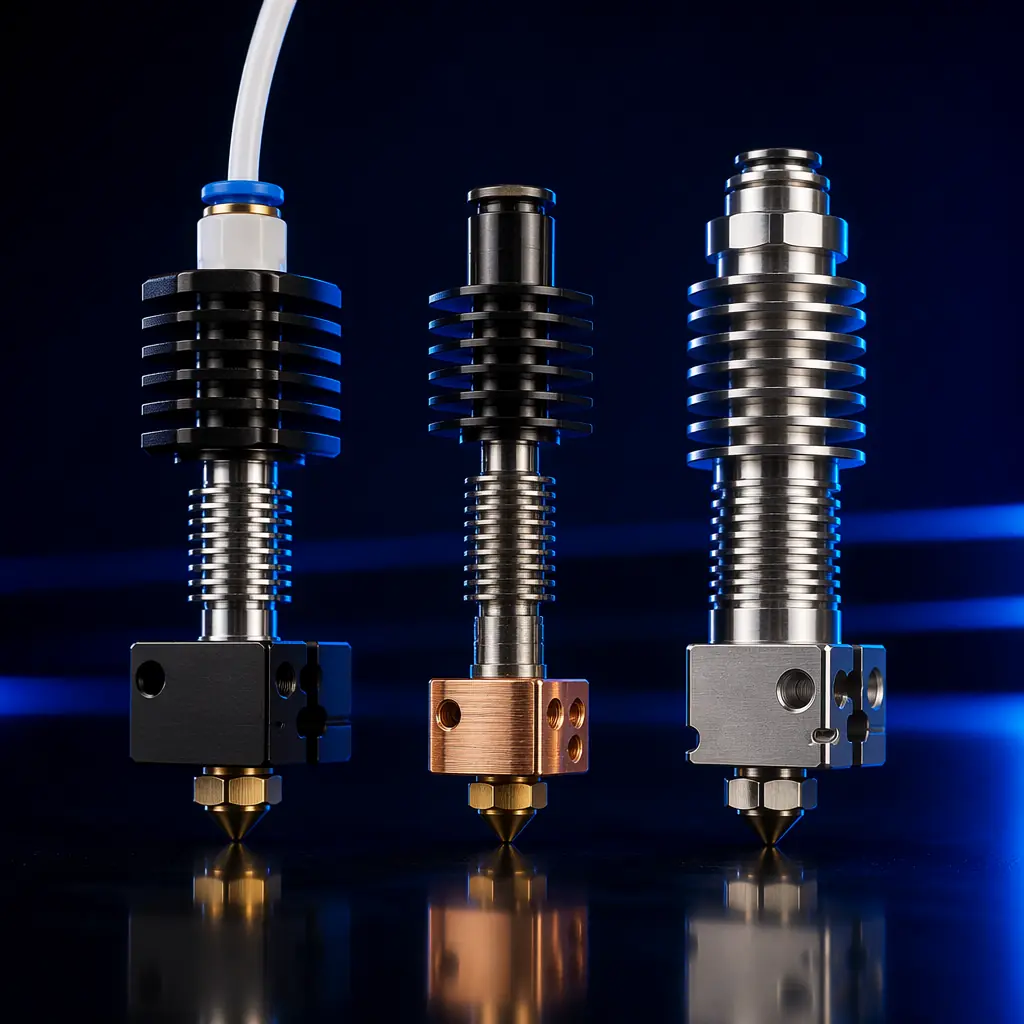
3D Printer Hotend Comparison: All-Metal vs PTFE vs…
Complete hotend comparison for 3D printer distributors: all-metal vs PTFE-lined vs high-flow vs multi-material. Temperature limits, material compatibility,.
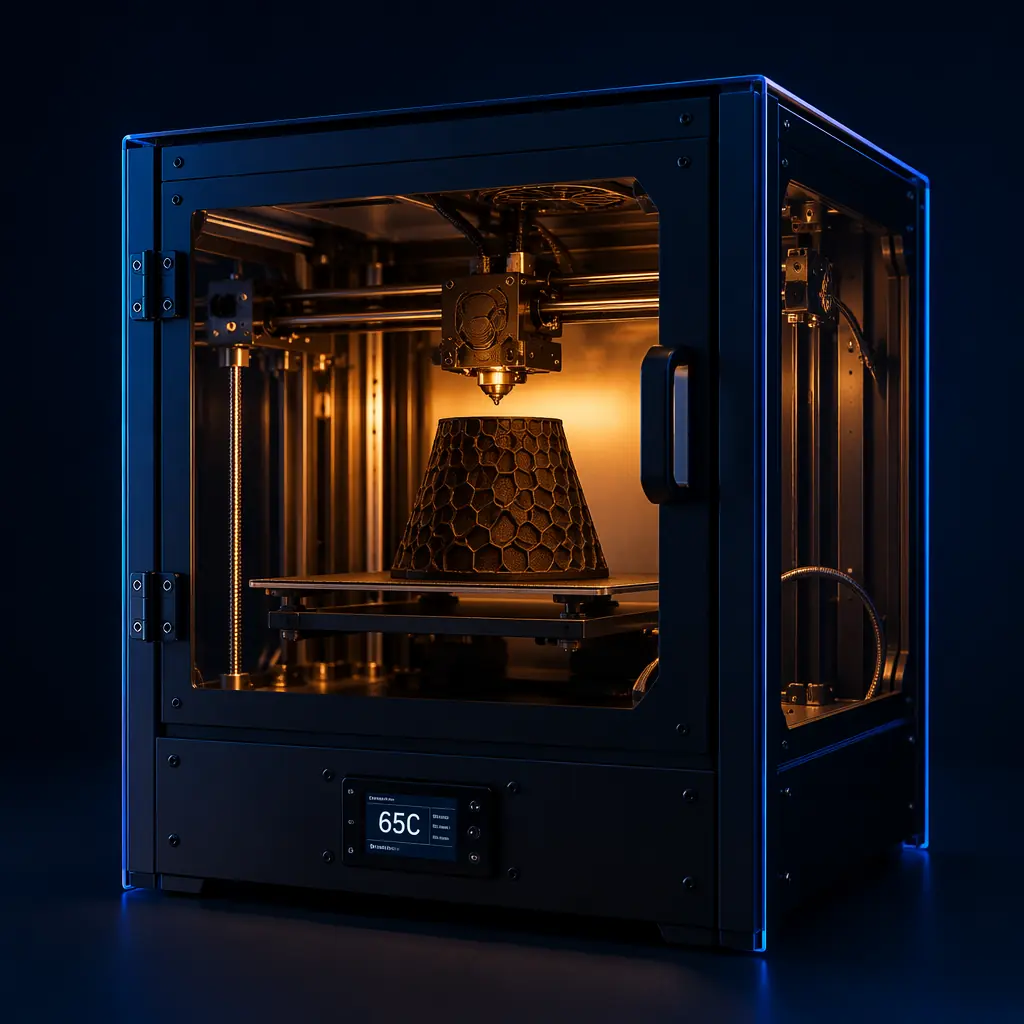
3D Printer Heated Chambers: The Distributor's Guide…
How to evaluate heated chamber 3D printers for your distribution portfolio. Active vs passive heating, temperature requirements by filament, margin analysis,.

Government & Public Sector 3D Printer…
Government and education buyers issue formal RFPs, require compliance documentation, and pay on net-60 terms — but deal sizes are 10–100x larger than typical.
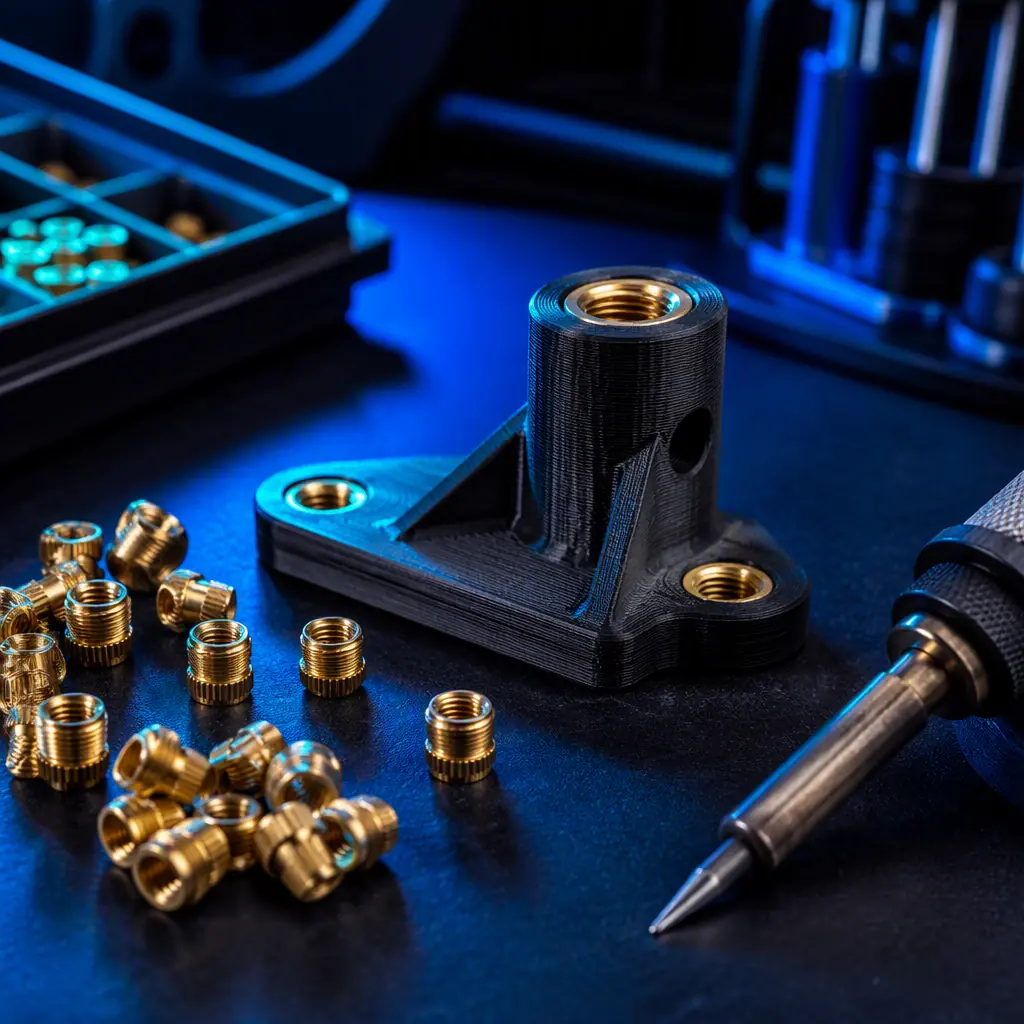
Heat-Set Inserts for 3D Printed Parts: Pull-Out…
Heat-set brass inserts turn a 3D printed part into a production component: pull-out strength of 300-800 N, re-torqueable threads, and installation in under 5.

3D Printer Fume Extraction & Filtration
ABS, ASA, and nylon emit VOCs and UFPs during printing. This distributor guide covers HEPA + activated carbon filtration, the safety regulations affecting 3D.
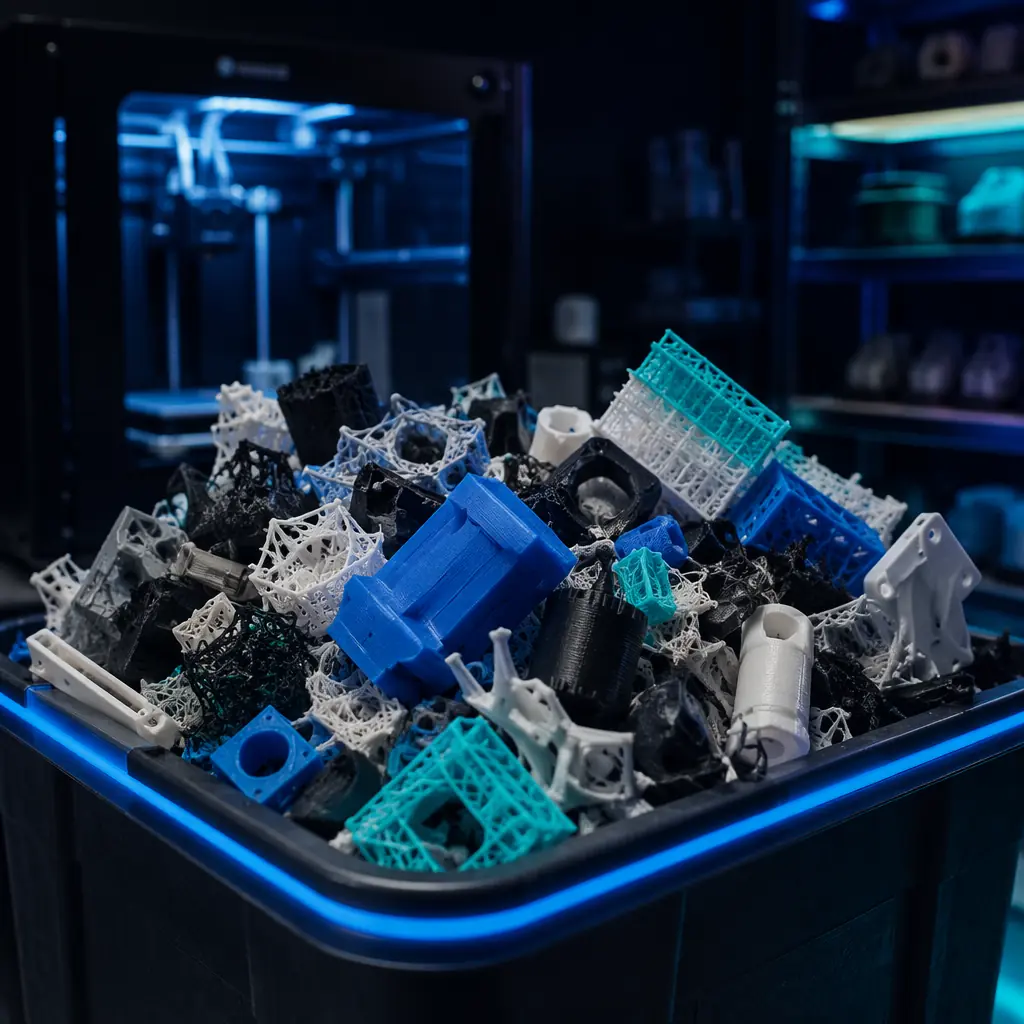
Filament Waste Reduction: A Distributor's Guide…
Failed prints, support material, and purge towers waste 15-30% of every filament spool. This distributor guide covers waste quantification, recycling.

Filament Runout Sensors
A filament runout sensor is the cheapest reliability upgrade in desktop 3D printing: an $8 part that stops a 12-hour print from failing at hour 11.5. This.
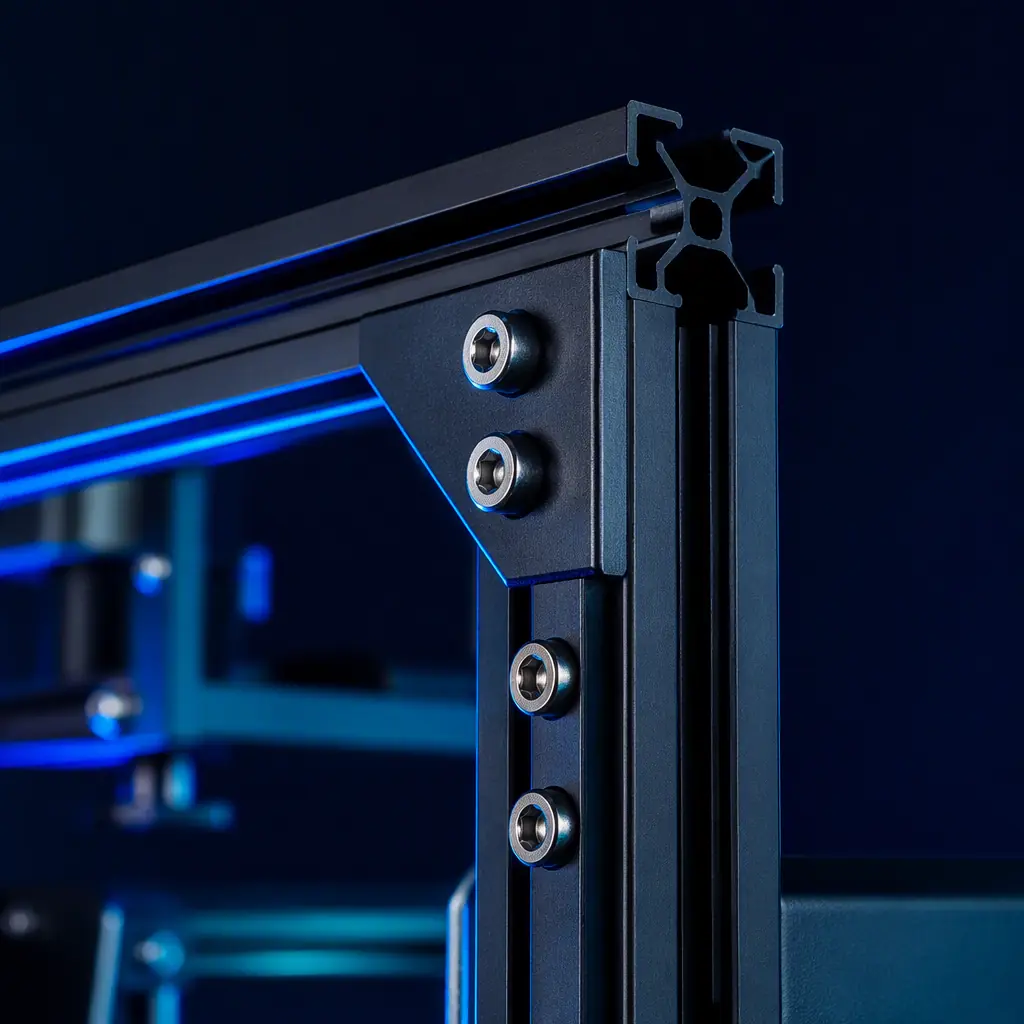
3D Printer Frame Rigidity: The Engineering Behind Print…
Frame rigidity is the foundation of print quality. This distributor guide compares 2020/2040 aluminum extrusion, welded steel, and injection-molded frames —.

3D Printer Factory Audit
How to audit a 3D printer factory before placing a bulk order. QC inspection checklist, burn-in testing protocols, component-level quality verification, red.