Engineering • Product Development
We Don't Just Assemble.
We Engineer From First Principles.
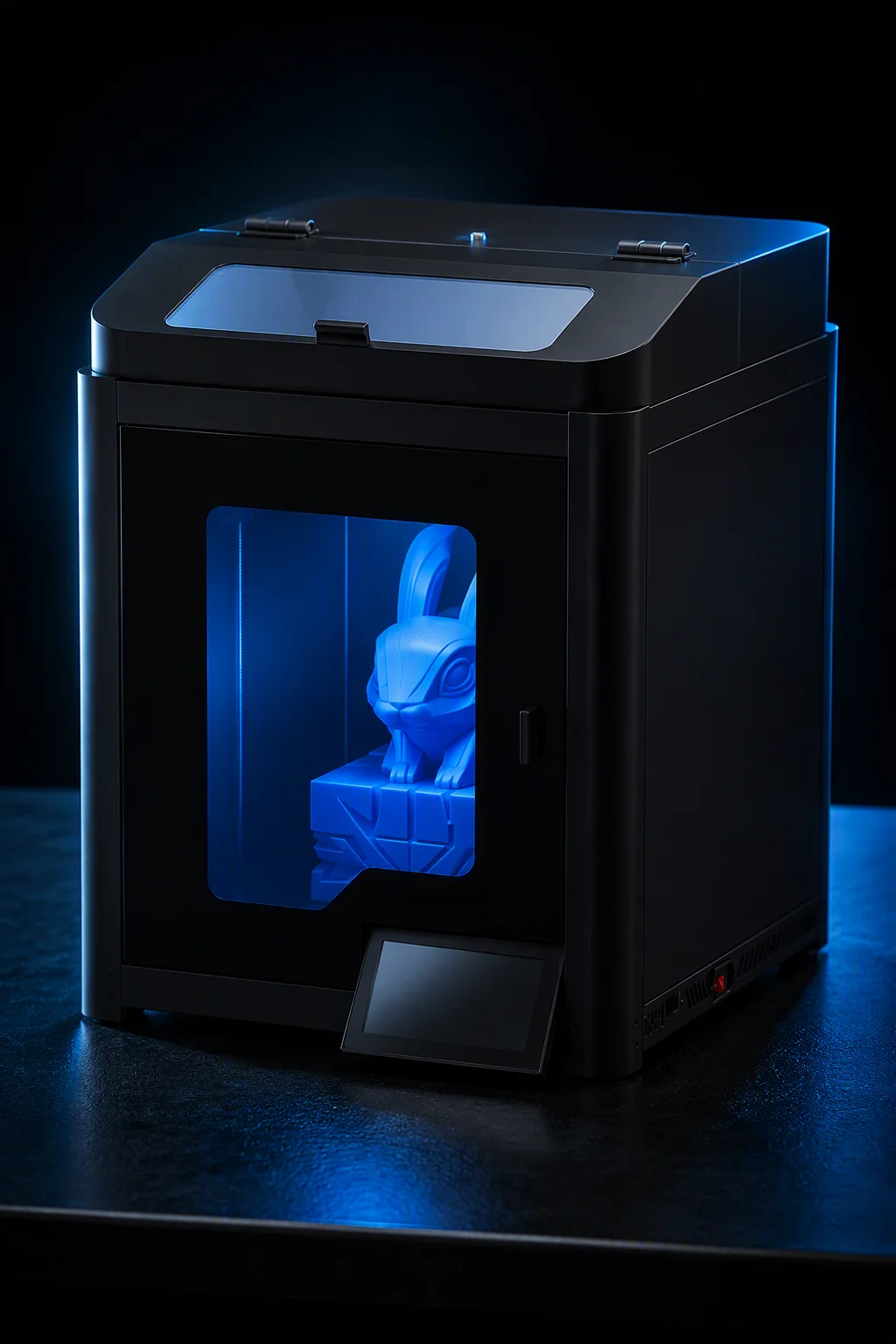
Every Precise3D printer starts as a requirement inside our Shenzhen engineering group: concept review, prototyping on the machines we ship, firmware profiling for the materials we support, and validation runs before release. This is what engineered reliability means in practice.
Design Philosophy
Why Most 3D Printers Fail — and How We Prevent It
The 3D printer industry has a reliability problem. The dominant model is "reference design plus cosmetic customization" — a Shenzhen ODM provides the base platform, and brands differentiate with enclosures, touchscreens, and logos. This produces printers that work on day one but degrade by month six. Bearings wear unevenly. Hotend thermistors drift. Firmware PID loops were tuned for one material at one ambient temperature.
Precise3D takes a different approach. We start with the requirements and the physics of each subsystem — frame rigidity under load, thermal behavior of the hotend across material types, belt tension under motion — then build prototypes and put them under continuous print to prove the model wrong. When they stop failing, the design is locked.
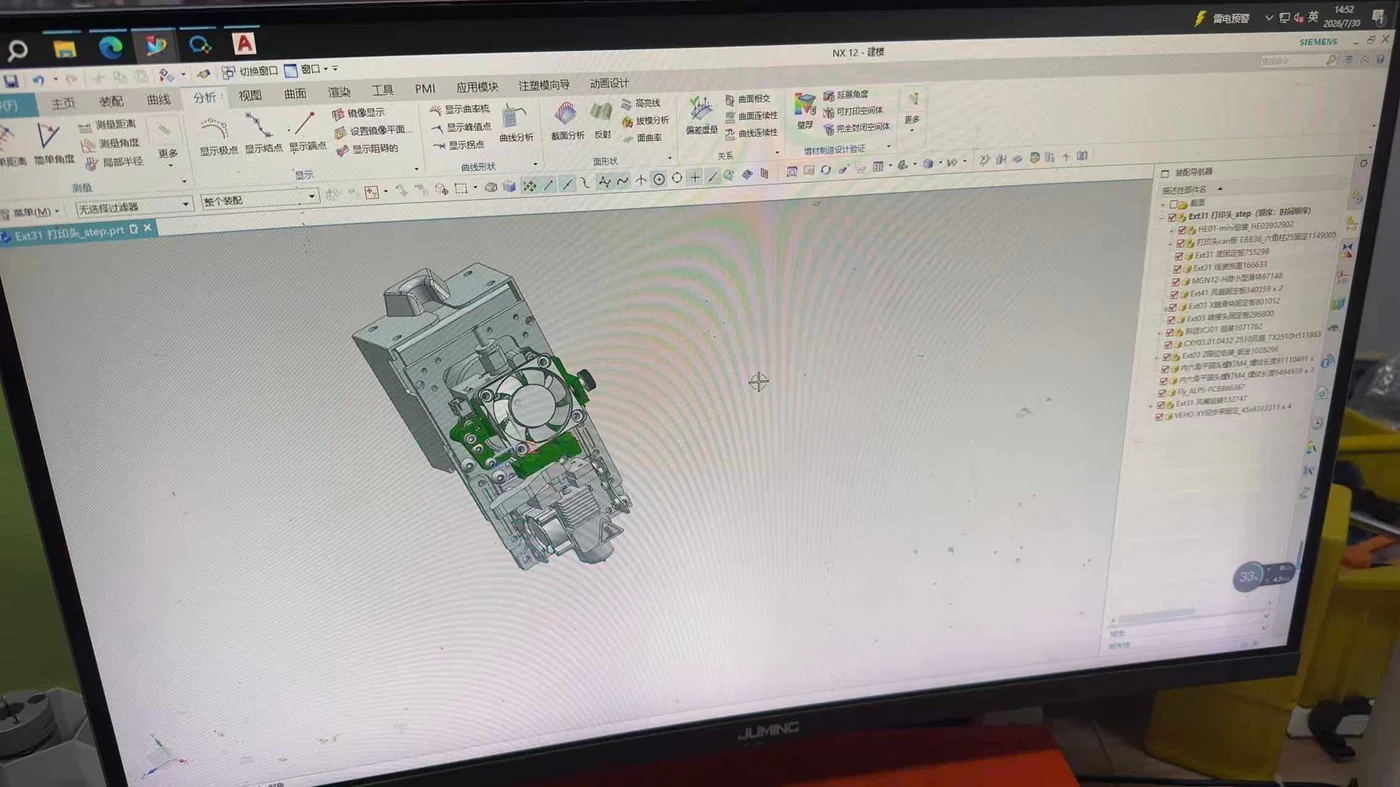
Development gates: from concept to engineering files to production
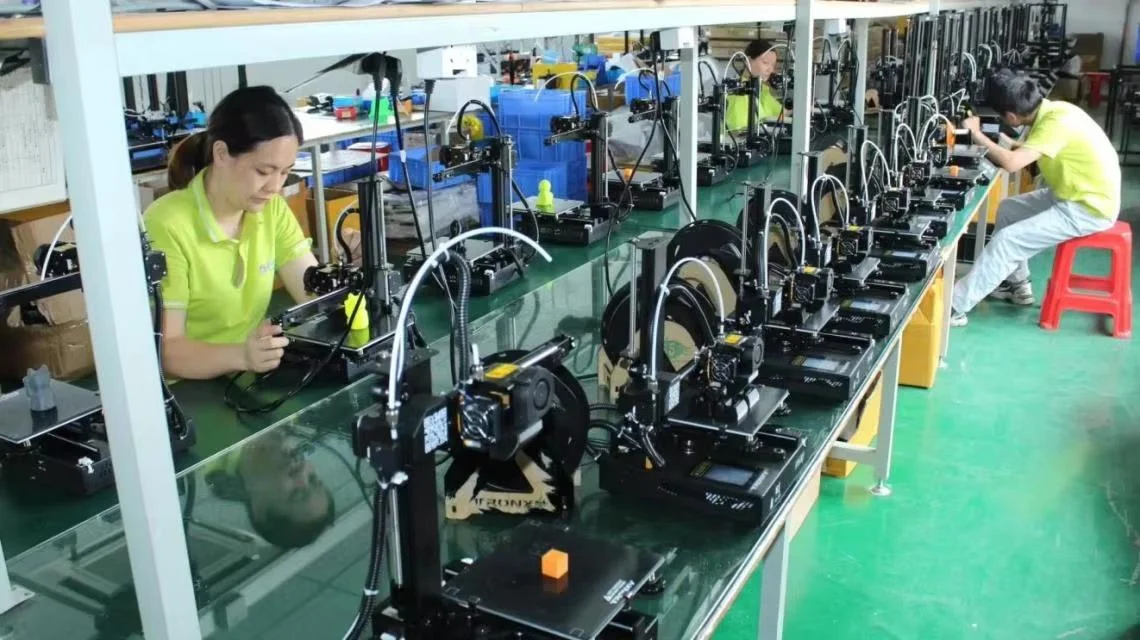
Continuous print runs on the burn-in line monitor drift before anything ships
Development Process
From Concept to Production: Gate by Gate
-
01
Market Requirements Document
Target price, build volume, material compatibility, noise envelope, regulatory markets. Every spec is customer-driven, not engineer-driven.
-
02
Thermal and Mechanical Simulation
FEA frame analysis under load. CFD chamber airflow and thermal uniformity. Belt tension vector modeling at target speeds. Motor torque curves and resonance mapping.
-
03
EVT: Engineering Validation
3 to 5 hand-built prototypes. Initial firmware port. Print quality baseline across 6 material families. Mechanical tolerance stack analysis. Early thermal imaging for hotend characterization.
-
04
DVT: Design Validation
A validation batch built on production tooling, run through extended continuous print and soak checks. Material profiles are finalized here, and any compliance testing for the intended market is scoped honestly at this stage — against what we can actually deliver.
-
05
PVT: Production Validation
50 to 100 pilot run units. Full production line validation. Supplier quality audit. Packaging and shipping validation (ISTA drop test). Assembly time and yield baselines.
-
06
MP: Mass Production Ramp
First article inspection. Statistical process control baseline. DOE for identified variation sources. 100% functional test SOP deployment. Production yield tracking and weekly review.
-
07
Continuous Improvement
Field failure analysis. Firmware OTA updates. Supplier scorecards. Monthly design review against warranty claim data. Running engineering changes tracked per serial number range.
Validation and Testing
How We Try to Break Our Own Printers
Before a new Precise3D printer is released, it runs a validation regimen meant to surface the failure modes a customer would find in their first months — and we fix them on the bench instead. We test to find what breaks, then engineer it so it does not.
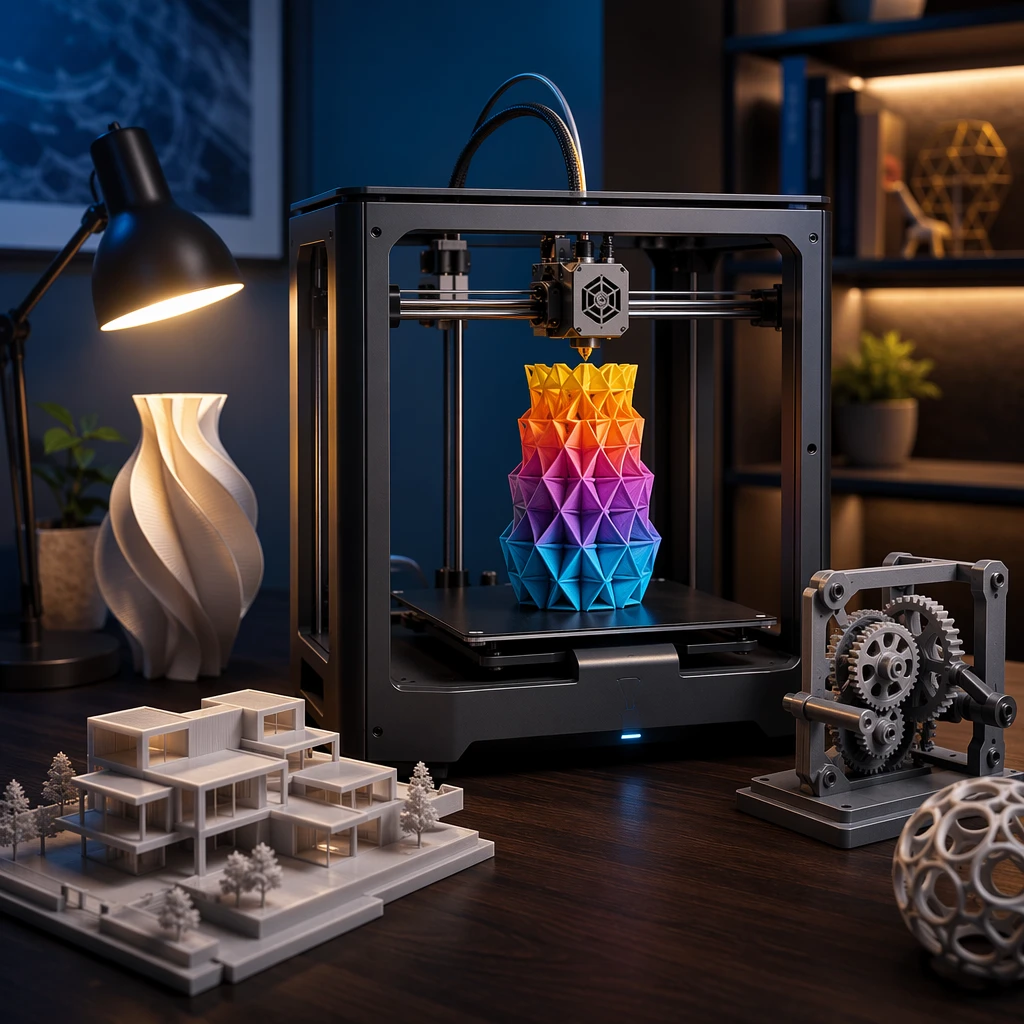
Production line validation: every unit passes functional testing before packaging
Testing Methodologies We Employ
Thermal Observation
Thermal cameras and bench sensors watch hotend and bed temperature distribution during soak and print. A unit whose thermal behavior strays from the reference baseline gets pulled for inspection, because thermal drift is how machines die quietly.
Continuous Print Runs
Validation builds run continuously while cycling between material types, with bearing wear, belt elongation, and motor temperature logged along the way. The point of the run is to find the trend that a short test would miss.
Dimensional Accuracy Audit
Printed calibration artifacts are measured against the reference set for the model, and accuracy results are recorded per batch. Real parts measured, real numbers kept — that is the audit that matters.
Prototyping Capabilities
How We Move From Simulation to Physical Validation
Digital simulation is only half the story. Our prototyping lab builds physical units at every stage to validate what the models predict.
Bench Machining & Fixtures
Fixture plates, mounting brackets, and calibration jigs for the validation builds are machined within the network on the same equipment that does production work — so design-to-fixture turnaround is days, not vendor lead times.
3D-Printed Prototype Parts
Initial frame brackets, fan ducts, and enclosure components are printed on existing Precise3D machines. A printer designing the next printer — dogfooding our own engineering in every generation.
Rapid PCB Prototyping
In-house PCB milling and SMT assembly for controller board revisions. Firmware team can test new stepper driver layouts and power delivery topologies within days, not weeks.
Firmware Engineering
The Invisible Engineering That Customers Feel
Input Shaping
Every mechanical system has resonant frequencies. Input shaping pre-compensates motion commands to cancel vibration before it hits the toolhead. The Pro X1's input shaper is calibrated per-axis at the factory — not a generic profile, but a frequency response measured on each unit. Result: ghosting-free prints at speed, every unit, out of the box.
Pressure Advance
Filament is compressible — especially flexible materials. Pressure advance compensates for the lag between extruder motor movement and actual nozzle output. Pre-tuned profiles for all 6 material families mean customers get sharp corners and consistent extrusion without ever opening a calibration menu.
Thermal PID Auto-Tuning
Hotend and bed PID loops that self-calibrate on first power-up. Ambient temperature compensation adjusts heater duty cycle in real time — the same G-code prints identically in a 15 C warehouse and a 35 C classroom. No manual PID tuning. No thermal runaway. No print failures from temperature drift.
Firmware Development and Delivery Pipeline
OTA Update Infrastructure
Firmware updates delivered over-the-air via WiFi. Delta updates (only changed bytes, not full firmware images) minimize download size. Rollback protection: every update is verified via SHA-256 checksum before flashing. Failed updates automatically revert to the previous known-good image.
Release cadence: stable channel monthly, beta channel weekly. Distributors can opt specific customer groups into beta releases for early feature access.
Regression Test Suite
Every firmware build runs through the regression suite before release — motion planning, thermal safety shutdown behavior, and print quality against reference prints. The suite grows with each generation, and a build does not advance the line until it passes.
A firmware build that fails any regression test never ships to the stable release channel.
Material Testing Lab
Where We Qualify Every Filament Before You Ship It
The materials bench evaluates filaments from the supplier set the network works with, across a documented test protocol. Only materials that pass every check receive a profile we stand behind.
Diameter Consistency
Spool batches are measured along the length of the strand on the filament measurement station, against the nominal diameter for the material. Batches that drift out of the acceptable band are rejected before they get to a printer.
Moisture Content
Hygroscopic materials (nylon, PC, PETG) are handled to a drying protocol on receipt and before use — moisture is the silent killer of print quality, and the protocol is the same one buyers should be aware of in their own storage.
Tensile Strength Testing
Tensile specimens are printed in XY and Z orientations and pulled on the bench set, so the profile data we publish reflects what the machine actually produces — not what the filament datasheet promises.
Heat Deflection Behavior
Heat deflection behavior is checked for ABS, ASA, nylon, and PC classes used in demanding applications. A material whose parts will not hold geometry at temperature does not belong in a profile we publish.
Interlayer Adhesion
Z-direction strength is measured against XY strength across print temperatures, and the profile is tuned to the temperature where the two sit closest. Layer adhesion is the limit of printed parts — profiles should respect it.
Chemical Resistance Screening
Printed coupons are immersed in common solvents and checked for weight change and dimensional stability over time — acetone, IPA, motor oil, coolant. Results feed the compatibility notes partners use in their markets.
Research Directions
Where the Engineering Group Is Working
Independent extruder paths and auto-calibration for multi-material and support-material printing are being worked through in the engineering group — this is where the validation cycles above get their next subjects.
Camera-based monitoring for failure detection and first-layer checks is under evaluation on the test farm — pause-and-notify behavior is the target, and it will ship when it passes the same validation gates as motion changes.
Active chamber heating and temperature uniformity are being validated for the higher-temperature polymer families. Better thermal management is real, measurable engineering — not a spec-sheet claim we would make early.
Position feedback on the motion axes is being studied for the next generation of the Pro platform — the appeal is simple: eliminate missed-step layer shifts, not just observe them.
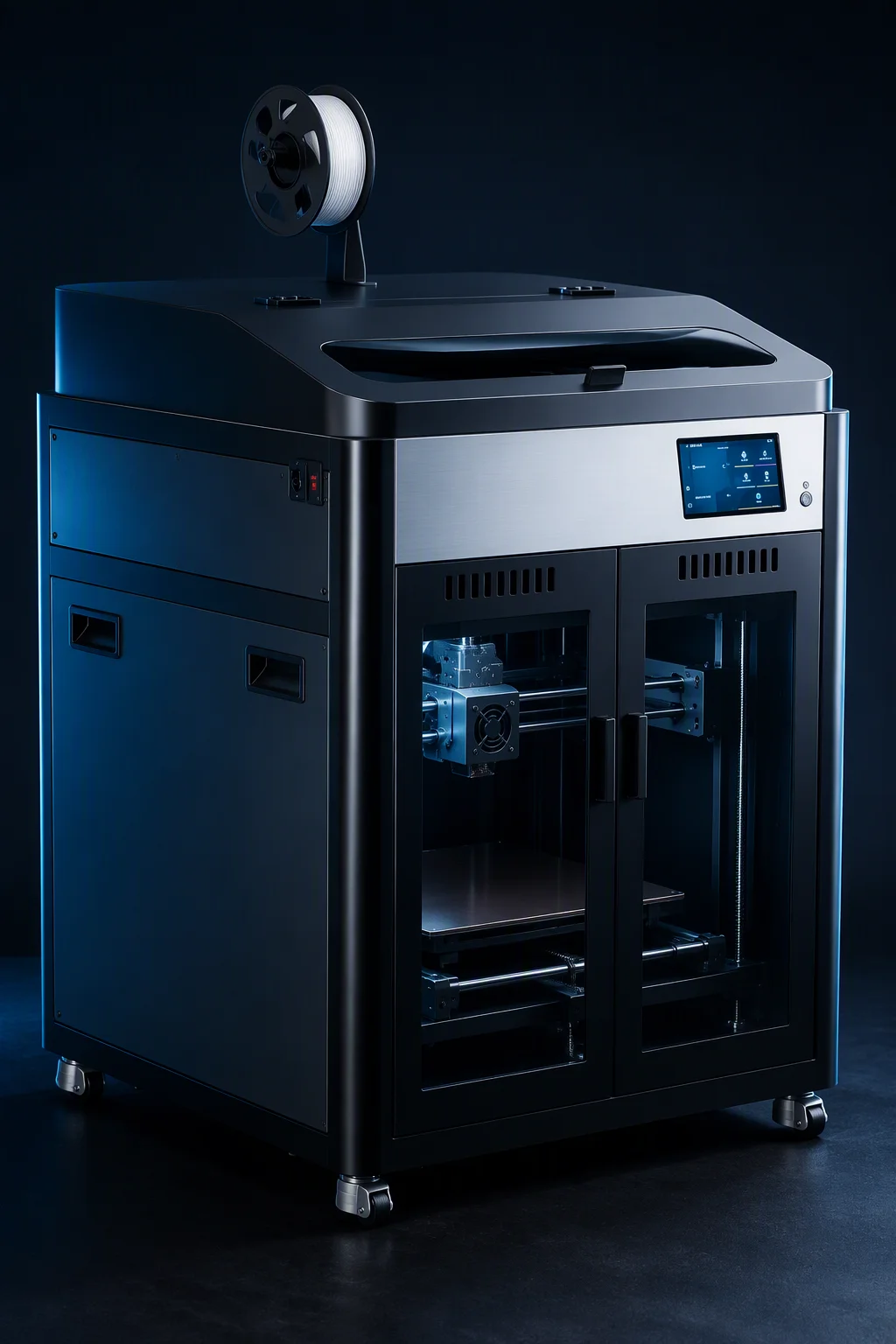
The Pro X1 platform serves as the testbed for next-generation technologies before they cascade to the Creator and Start lines
What This Means for Distributors
Engineering Depth Equals Competitive Moat
The Reference-Design Problem
When five brands sell the same platform with different enclosures, the only differentiator is price — and margins race to zero. Precise3D's engineering lives with the machines: profiles tuned on the printers we ship, validation runs that show up in behavior. That is differentiation your sellers can demonstrate, not just decorate.
Firmware as a Revenue Protector
Pre-tuned material profiles mean customers get good results on day one. Fewer support calls about print quality caused by untuned slicer settings, because the calibration is in the profile the machine ships with, not in a manual.
The Validation Story
When a procurement manager asks "how do I know these will not fail in six months?", you have an answer: every model runs continuous print and soak validation before the design is approved for production, and the records exist. Not a marketing line — an engineering gate the product must pass first.
Continuous OTA Improvements
We do not stop engineering after the sale. Firmware updates ship OTA with improved material profiles, faster motion planning, and new features — extending the competitive lifespan of your inventory and giving customers a reason to stay in the Precise3D ecosystem for their next purchase.