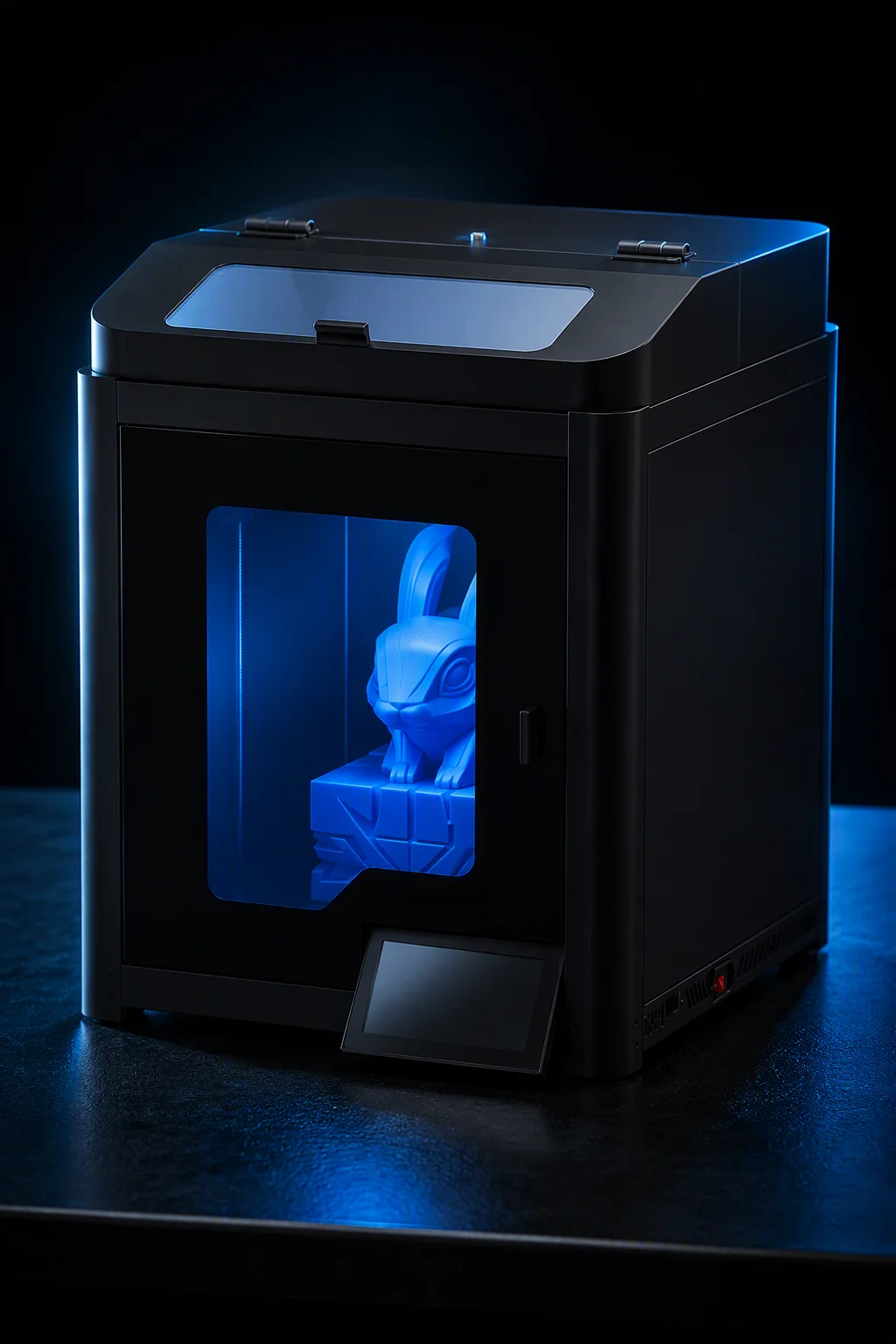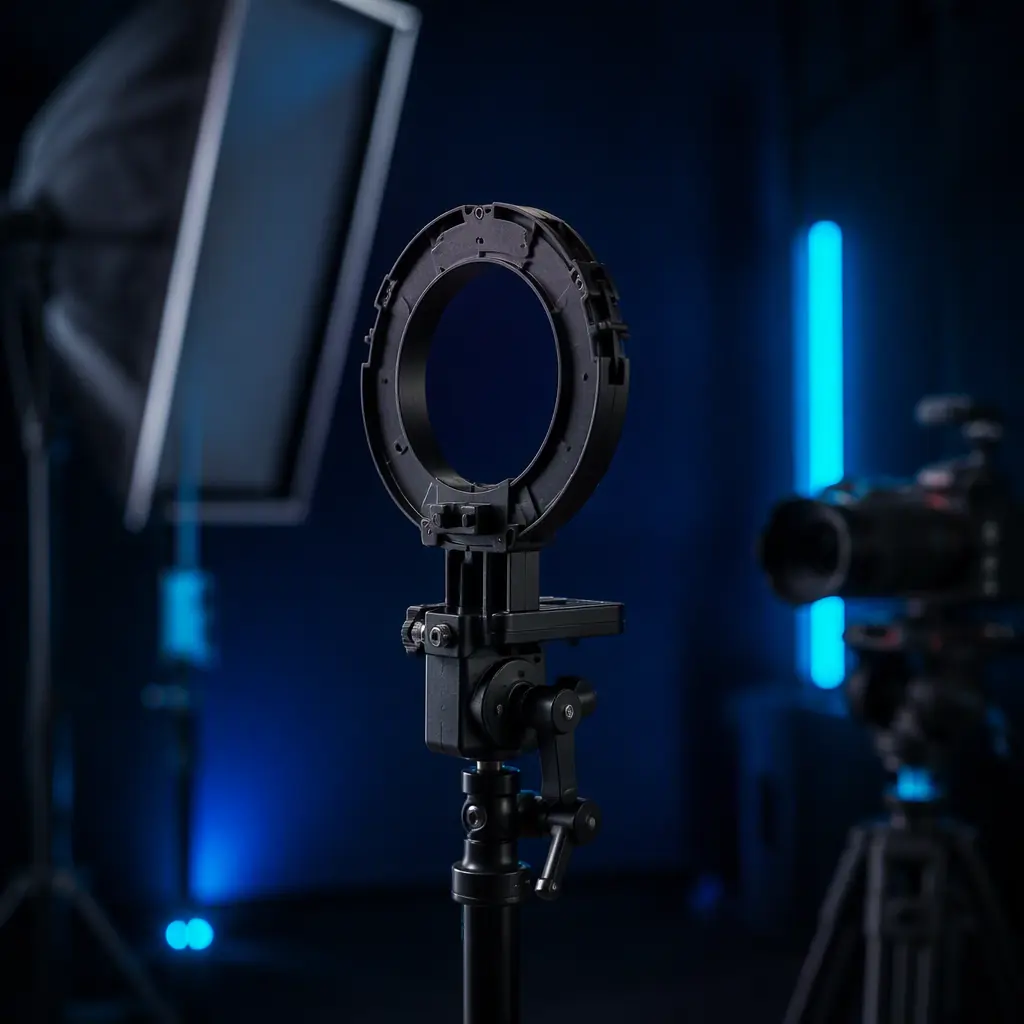
The photography and imaging vertical spans commercial photo studios, videography and production companies, camera accessory makers, imaging equipment manufacturers, rental houses, and photo equipment service shops. One structural fact drives the opportunity: camera gear is expensive, custom mounting is constant, and OEM accessories are overpriced or discontinued within a few model cycles. A rig component, light modifier ring, lens mount adapter or gimbal part costs $5-30 to print versus $50-300 to buy, and printing lets studios build exactly the geometry they need. Every photographer has a drawer of adapters and mounts that never existed commercially. And every one of them is a print job. The same make-versus-buy economics are mapped in our CNC machining vs 3D printing guide.
Why Imaging Professionals Are Buying 3D Printers
Four structural facts make photography and imaging durable buyers. First, gear-cost asymmetry: a $300 OEM light modifier ring vs a $6 print; a $120 lens mount adapter vs a $4 print, the cost model is developed in our TCO & ROI calculator guide. Second, one-off rig geometry: every studio rig, car mount, slider setup and custom housing is a unique geometry, and printing beats machining at quantities below a few dozen; the tooling logic is in our manufacturing tooling guide. Third, material reality: light weight, matte black for flare control, and heat resistance near light heads drive the material conversation toward PETG, ASA and PA-CF; the material-selection framework is in our engineering filaments guide. Fourth, speed to shoot: a client shoot needs the rig tomorrow, not in three weeks; overnight prints win the job; the prototyping economics are in our buyer's guide & price tiers.
The Applications That Actually Buy
Six clusters generate the orders. The buyers are studio owners, lead photographers, production managers and equipment service leads.
1. Light modifiers and studio accessories. The highest-frequency application: softbox and beauty dish rings, speedring adapters, gel holders, snoot extensions, barn door parts and reflector mounts. Printed in PETG or ASA, the material rules are in our filament stocking guide.
2. Camera rigs and mounts. Cage components, top and side handles, monitor mounts, microphone mounts, car rig mounts and slider brackets for photo and video work. Printed in PA-CF or PETG, the durable options are in our engineering filaments guide.
3. Lens and sensor accessories. Lens hoods, mount adapters, lens caps, filter holders, diopter cases and sensor-cleaning guides for camera bodies and lenses. Printed in PETG or ASA, the QC framework is in our incoming QC & inspection guide.
4. Gimbal and stabilizer parts. Balance rings, counterweight holders, cable management clips, quick-release plates and knob replacements for gimbals, stabilizers and drones. Printed in PA-CF or PETG, the accessory logic is in our accessories revenue guide.
5. Equipment cases and protection. Custom case inserts, camera body protectors, lens barrel guards, connector covers and cable organizers for expensive imaging gear. Printed in PETG or TPU, the tooling logic is in our manufacturing tooling guide.
6. Obsolete gear spares. Knobs, caps, brackets, switch housings, battery door latches and interior trim for cameras, lights and studio gear whose OEM parts are discontinued. Printed in PETG or ASA, the durable options are in our filament stocking guide.
Materials & Processing Reality
Imaging professionals select materials by weight, heat, flare control and durability exposure. Four families dominate:
Two realities dominate material conversations. First, matte black and flare control are the dominant specs: anything near the lens or light path gets matte PETG or ASA to kill reflections, the engineering material options are in our engineering filaments guide. Second, studio heat drives material choice near light heads: modifiers and rings near hot lights need ASA or PETG, and an enclosed printer keeps large ASA parts warp-free; the enclosure and chamber logic is in our heated chamber guide.
From Gear Gap to Printed Part: The Workflow
The workflow that wins imaging accounts has five stages. Identify the gear gap . The adapter, ring, mount or spare that delays the shoot or costs too much; the failure-analysis framework is in our print troubleshooting guide. Model or scan the geometry . Model the part from the gear's spec or scan the mating surfaces; the scanning path is in our scanner & printer bundle guide. Select the material by exposure . Light-adjacent parts get ASA; lens-adjacent parts get matte PETG; load-bearing rigs get PA-CF, using the framework in our filament stocking guide. Print, test and verify fit . Print, test on the actual gear through a full shoot or duty cycle, and iterate; the verification checklist is in our incoming QC guide. Build the studio library . Every qualified part becomes a digital spare the studio can reprint before the next shoot; the recurring-demand model is developed in our consumables subscription guide.
Budget Reality: Printed vs OEM vs Custom
The comparison that closes imaging accounts:
The distributor math compounds because every studio needs dozens of custom mounts and adapters, and every successful print builds the library that sells the next. The printer investment model that justifies the studio's own machines, and your demo fleet, is in our TCO & ROI calculator guide.
The Distributor Playbook: Entering Photography & Imaging
Five moves win imaging accounts:
1. Target studios and rental houses with gear pain. Commercial photo studios, video production companies and camera rental houses (3-100 employees) are the highest-intent buyers. Build a target list of 40-80 accounts in your territory.
2. Lead with an adapter rescue pilot. Offer to print one adapter or mount for free. The studio sees a $180 OEM speedring replaced by a $6 overnight print, the demo playbook is in our B2B sales demo guide.
3. Bundle the studio material set. An enclosed printer plus PETG, ASA, PA-CF and TPU lines in matte black is the anchor combination, and the margin is in materials, build plates and hardened nozzles. The bundling mechanics are in our consumables bundling guide.
4. Offer a parts-on-demand service. Studios and rental houses need custom parts and spares on demand. A distributor that prints and ships parts for a per-job fee captures the account before hardware discussion starts; the service-revenue logic is in our repair service center guide.
5. Work the shoot calendar. Big shoots and seasonal peaks are the natural buying moments; sell printers, materials and parts-on-demand services ahead of each window, using the framework in our trade show strategy guide.
Common Pitfalls in Imaging Accounts
Five mistakes cost distributors imaging business: (1) selling hobby-grade materials for gear parts . A PLA ring near a hot light warps; qualify ASA for heat and PETG for general parts; (2) ignoring flare and reflection . Glossy parts near the lens cause reflections; use matte filaments and the material rules in our filament stocking guide; (3) treating studios like general manufacturing . The buyer is a studio owner or lead photographer, and the pitch is gear cost and shoot readiness, not throughput; (4) skipping the duty-cycle test . A mount that fails mid-shoot burns the account; test through a real shoot before handover; and (5) forgetting adjacent visual verticals . Film and TV production buys the same mounts and rigs, covered in our film & TV production guide, and eyewear and optics follow a similar pattern, covered in our eyewear & optics guide.
Getting Started: The First 90 Days
A 90-day entry plan: Month 1 . Identify 40-80 target accounts, and stock the studio material set: PETG, ASA, PA-CF, TPU in matte black, plus build plates, hardened nozzles and a drying system. Month 2 . Run two adapter rescue pilots (one photo studio, one video production company), produce a parts-on-demand service template, and add a rental house manager to your advisory loop. Month 3 . Convert pilots to paid accounts with parts-service agreements, publish your first measured case study ("Studio: $180 OEM speedring replaced by $6 overnight PETG print, shoot completed on schedule"), and open one camera accessory maker or rental house account. The printer investment model that justifies the distributor's own machines is in our TCO & ROI calculator guide.
Reviewed by the Precise3D engineering & OEM team. Compliance files that accompany the catalog are auditable at the certification register.
Enter the Photography & Imaging Market
Ready to Supply Imaging Professionals?
Get wholesale pricing on enclosed printers, matte PETG/ASA/PA-CF/TPU material lines, build plates, hardened nozzles, dryers, and the parts-on-demand playbook that wins studio accounts.