Why a Printed Master Opens the Casting Aftermarket
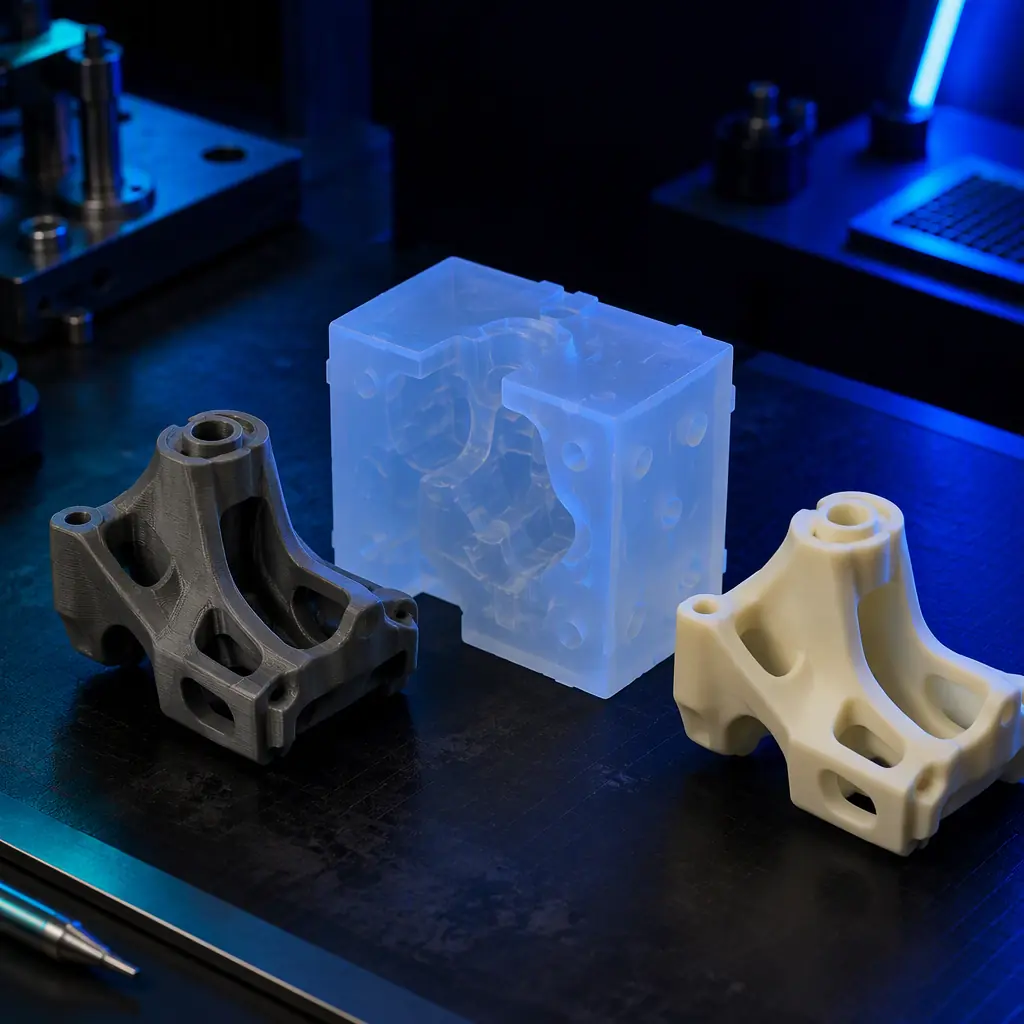
RTV silicone and cast urethane are used every day to make things that sit between "one-off" and "injection-moulding volume." A master pattern defines the part geometry; the silicone mould is poured around it; the cast part is pulled from that mould. When the master is machined or hand-sculpted, that is a specialist skill on a long lead time. When it is 3D printed, the master is a file: clean geometry, exact draft, and re-produced in hours for a few dollars. That is the difference between a hard-to-source service and a sellable product line.
The buyer who needs this is the same buyer who needs an rapid prototyping & R&D capability in-house, and the parts they cast frequently graduate to end-use functional parts after validation. A distributor who sells the printer that makes the master owns the whole workflow.
The Master Pattern: What Makes a Good One
A silicone mould copies the master exactly, so the master carries every requirement of the final part. The three things that break printed masters are surface finish, die draft, and undercuts. Surface roughness on the master reads directly through to the cast part, so a printed master is usually sanded and sealed or vapour-smoothed before moulding. Die draft of at least 1-2°, ideally 3° for a deep cavity, lets the cast part release without tearing the mould. Undercuts must be designed out or split across a multi-piece mould, because silicone cannot release a geometry that locks in.
For the dimensional discipline that keeps a master true to drawing, see our dimensional accuracy & tolerances guide and our design-for-AM rules guide . The same rules that govern a final printed part govern a master.
Materials: Matching the Cast Part to the Durometer
Polyurethane casting resins span a huge durometer range, and the shore hardness you pick decides what the part is used for. A 30A is a rubbery shock pad; a 70A is a durable grip; a 85D is a hard, chunky structural part that behaves almost like injection-moulded ABS. The master does not change with hardness, but the release, the mould life and the demould strategy do. Two-part urethane is mixed and degassed, poured, then cured under heat or at room temperature depending on the system.
For stiffness and toughness in the printed master itself, the material set matters: PA-CF gives a stiff, low-warp, dimensionally stable master; PETG is a cheap, easily-sanded disposable master; ABS vapour-smooths to a glass-clean surface. Our carbon-fibre filled filament guide and our engineering filaments guide cover the choices.
Mould Life, Draft & the Cost of a Re-print
An RTV silicone mould is consumable. Depending on the resin system, the part geometry (how much it grabs), and the demould labour, a good silicone mould lasts a few tens to a couple of hundred pulls. For a durable urethane casting tool, a tin- or platinum-cure silicone with carefully managed release can go further. That consumption is exactly where the printed master earns its keep: when the mould wears out, you do not re-machine a pattern, you re-print the master in hours and pour a fresh mould.
What you're looking for: High pull count and sharp features → use a stiff filled master with fine draft and a durable platinum-cure silicone; low-pull prototype/sample → a cheap sandable master and a standard mould is enough. Always confirm the cast part does not bond to the mould and that the master is sealed so silicone does not stick to it.
The pattern-then-mould workflow is the same thinking that powers a foundry investment-casting pattern and a precast-formwork play, the printed master is the reusable asset.
Distributor Economics: How a Printed Master Becomes an Account
Urethane casting is a recurring, project-driven purchase, and the master is the gate. A product developer or low-volume shop will buy a printer for the master, then keep buying resin, release agent and accessories as the mould wears and new parts are validated. A typical account starts with a $400–800 printer sale for the master workflow and grows to $2,000–6,000/year in consumables and refills once the casting line is running. The printer is the hook; the consumables are the annuity.
The entry plan:
(1) Run a printer with a fine nozzle and a sandable/smoothable material (ABS or PETG, plus a PA-CF option for a durable master). (2) Print a demo master pattern and cast it into a mould to show the workflow end-to-end. (3) Approach product developers, design studios, low-volume manufacturers and overmould suppliers. (4) Lead with the time message: a master that took a patternmaker days now prints in hours, and the mould is re-makeable for the cost of resin. For the wider soft-tooling and low-volume play, our manufacturing tooling guide and our consumables & accessories bundling strategy are the relevant reads.
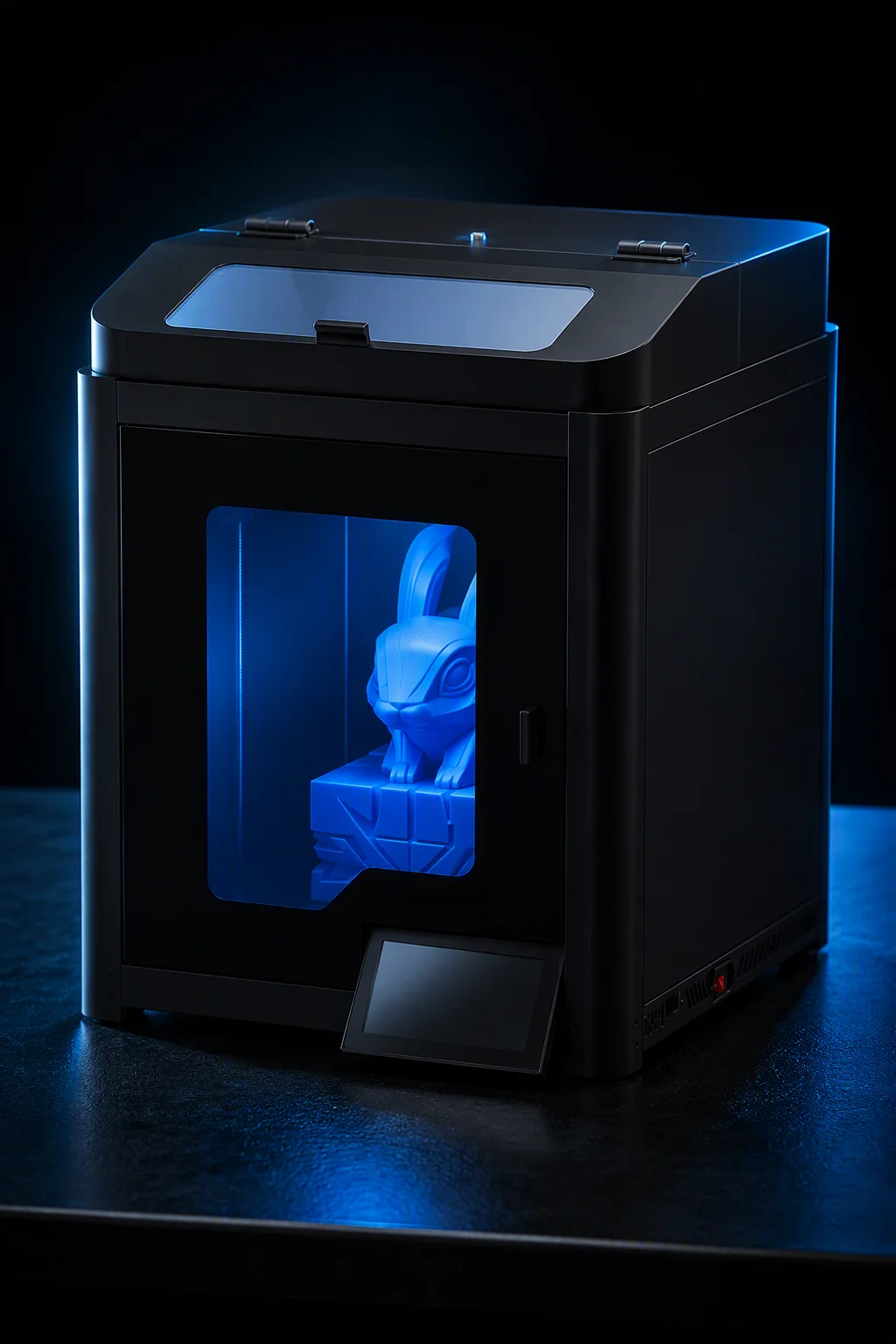
Urethane casting is a quiet but dependable vertical: low-volume, high-margin, and permanently re-printing masters. At Precise3D, our chamber-controlled, fine-nozzle platform with ABS, PETG and PA-CF capability makes a clean, dimensionally true master, the part that unlocks the moulding aftermarket.
Reviewed by the Precise3D engineering & OEM team. Compliance files that accompany the catalog are auditable at the certification register.
Enter This Vertical
Ready to Supply Printed Tooling to This Market?
Join our network of global distributor network. Chamber-heated, hardened-nozzle printers with stiff PA-CF, PC and wear-resistant polymers, plus a demo kit of the fastest-moving parts for this vertical, everything you need to open the aftermarket.