
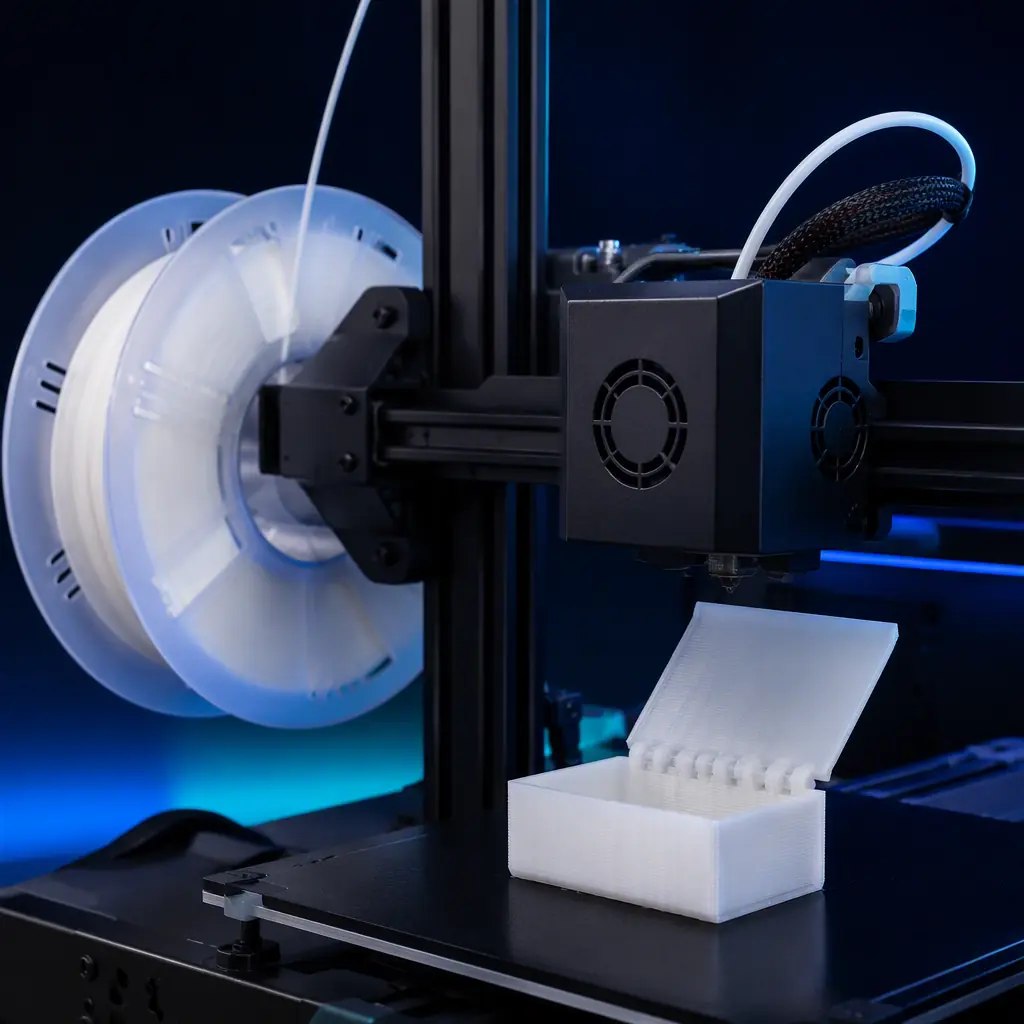
Polypropylene (PP) Filament: Chemical-Resistant Hinges and a 40% Margin
Polypropylene filament is the most underrated engineering material in desktop 3D printing: it survives a million flex cycles, resists acids and solvents,.
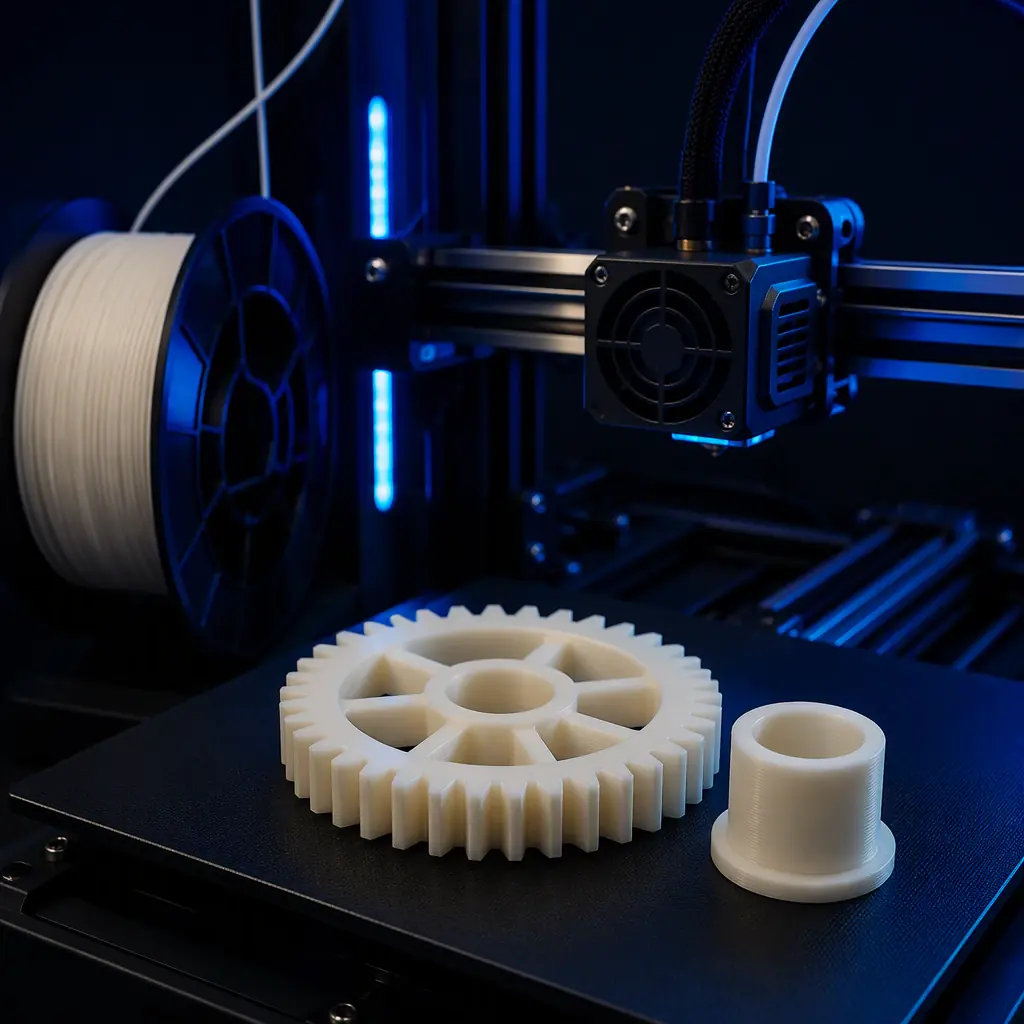
POM (Acetal/Delrin) Filament, The Low-Friction Engineering Material for 3D Printer Distributors
POM (polyoxymethylene, known as acetal or Delrin) is the go-to tribopolymer for gears, bushings and sliding parts. A distributor's guide to POM-H vs POM-C, the printing and ventilation demands, and wh
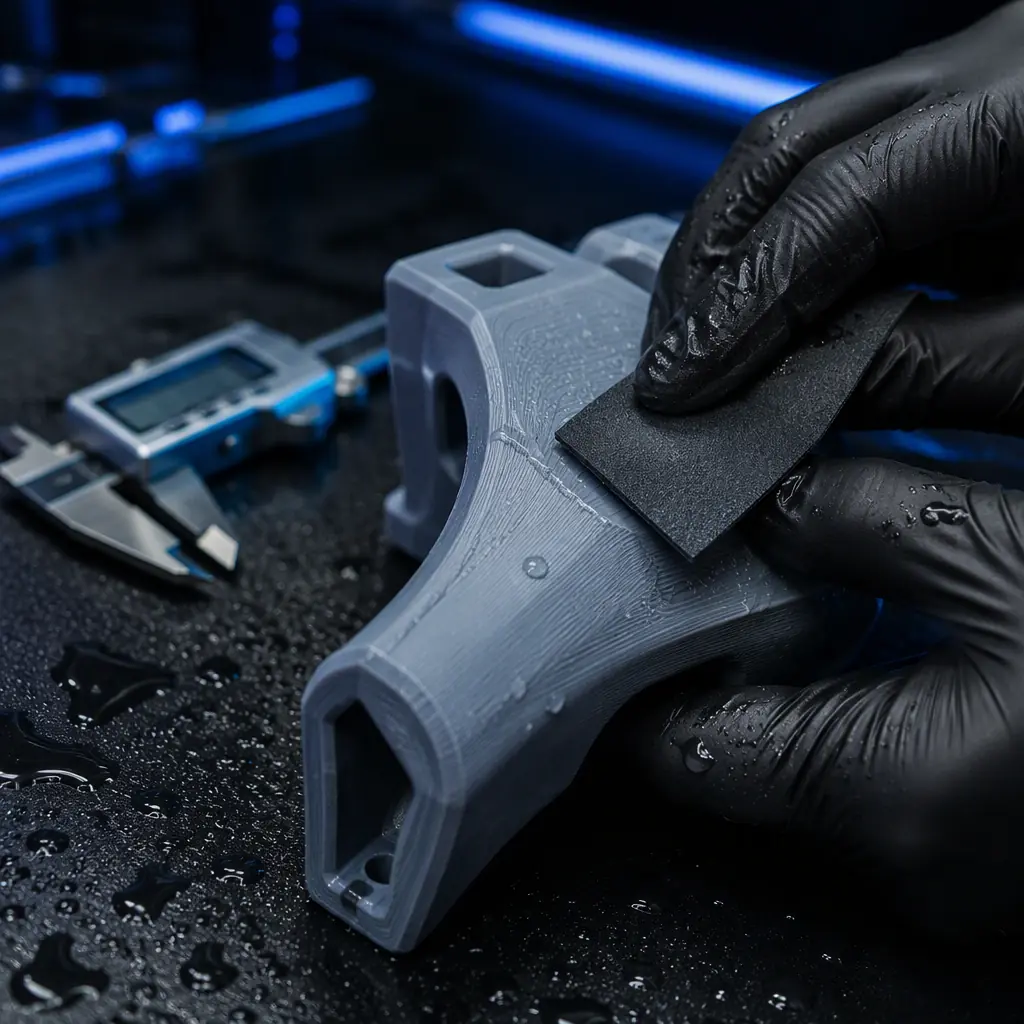
Post-Processing Dimensional Accuracy, How Finishing Moves Printed Part Tolerances and How to Compensate
Sanding, vapour smoothing, tumbling and annealing all move printed part dimensions. Map the expected shift per finishing route, write a build allowance, and inspect after finishing rather than at the

Print Farm Economics: Real Numbers for 2026
Breaking down the real costs, throughput, and ROI of running a consumer 3D printer farm — from electricity and filament to maintenance and scaling.
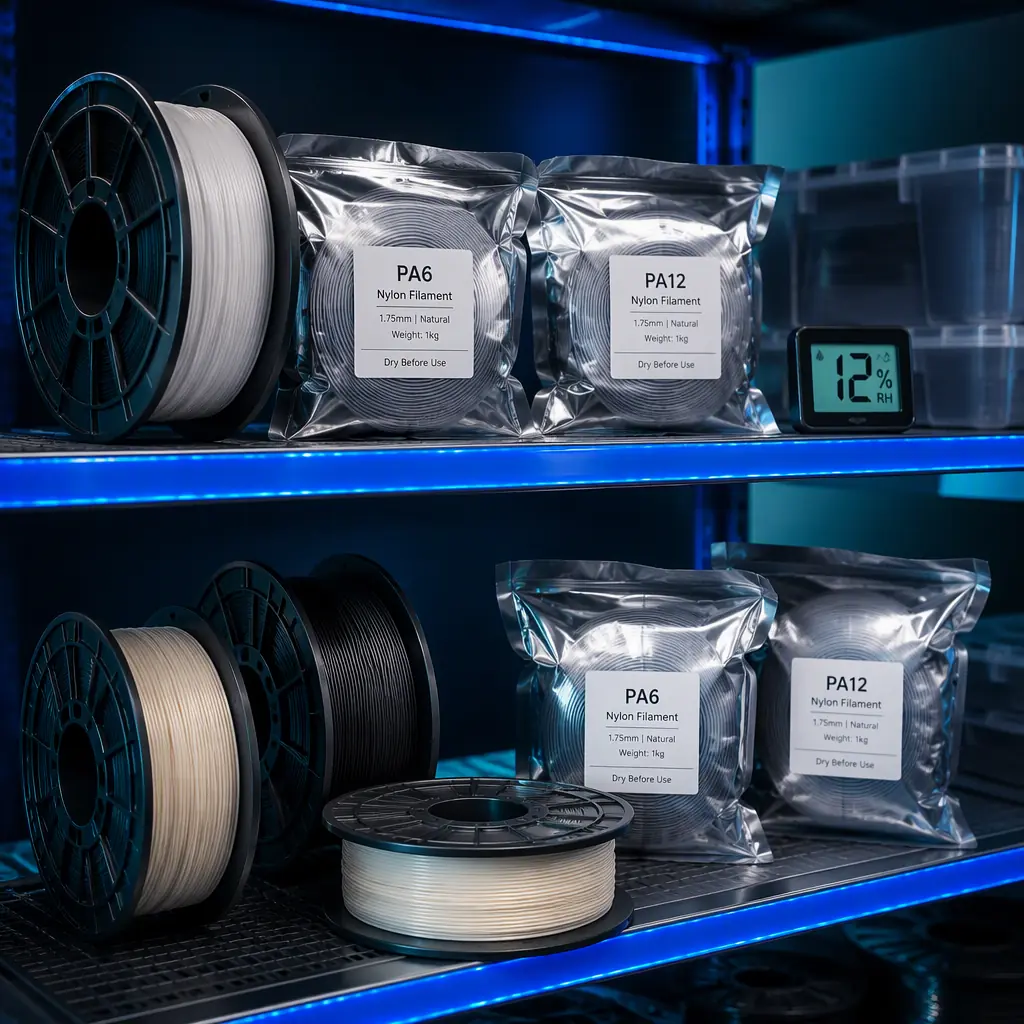
Nylon Filaments: The $85/kg Consumable Category That Industrial Buyers Reorder Every Month
Nylon filaments command 3-5x the margin of PLA — but require dry storage, hardened nozzles, and customer education to sell profitably. This distributor guide.
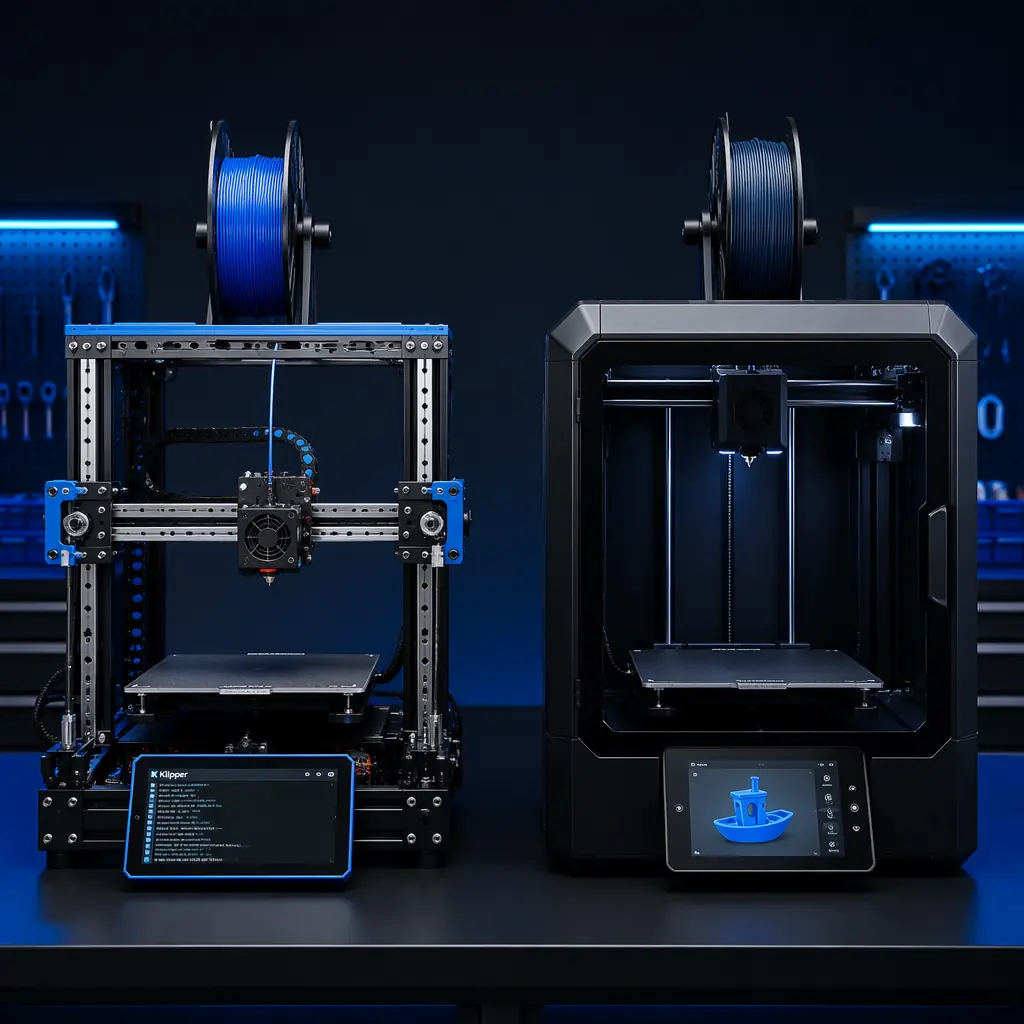
Open-Source vs Proprietary 3D Printers, A Distributor's Portfolio Strategy
Should 3D printer distributors carry open-source platforms, proprietary ecosystems, or both? A strategic comparison of margins, support burden, customer.
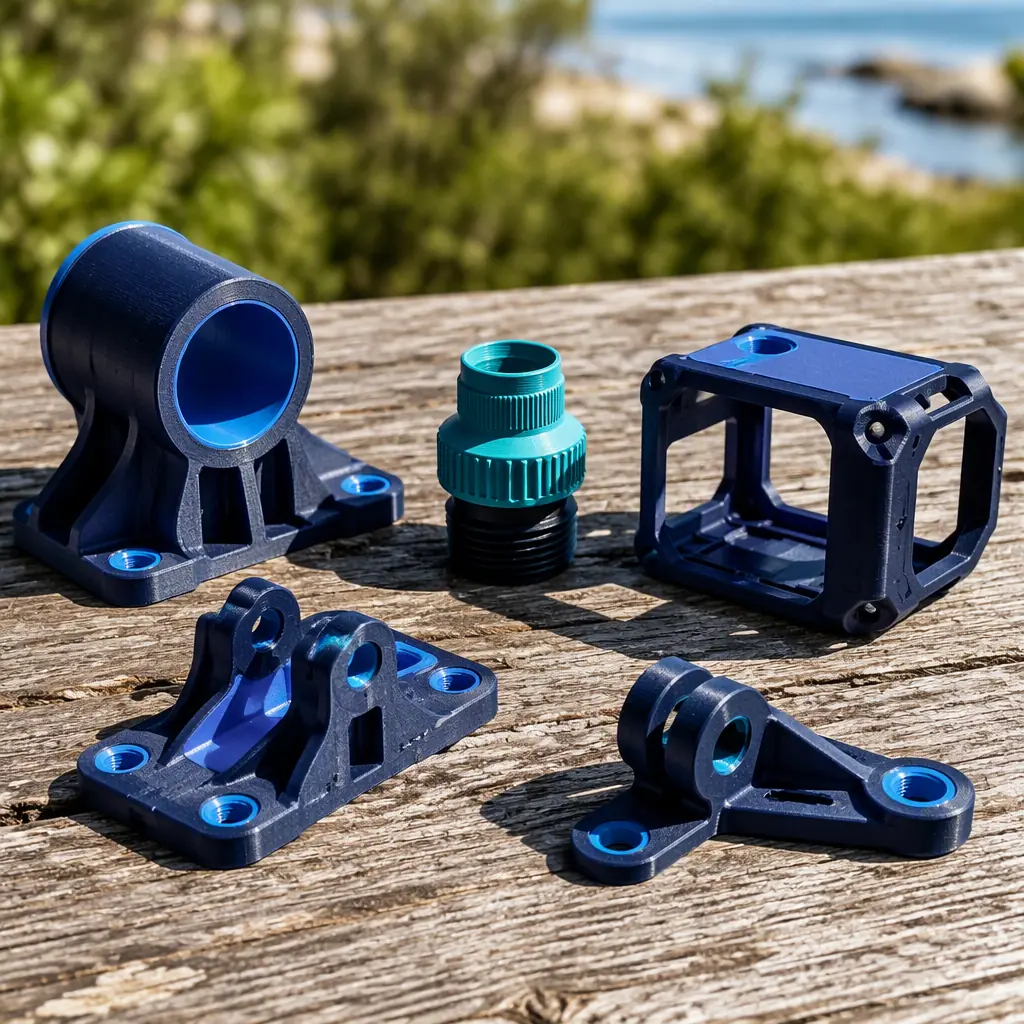
Outdoor 3D Printing: The $4,800/Year Consumable Vertical Hiding in Every Distributor's Territory
Outdoor 3D printed parts must survive UV radiation, rain, temperature swings from -20°C to 60°C, and physical stress over years of exposure. This distributor.
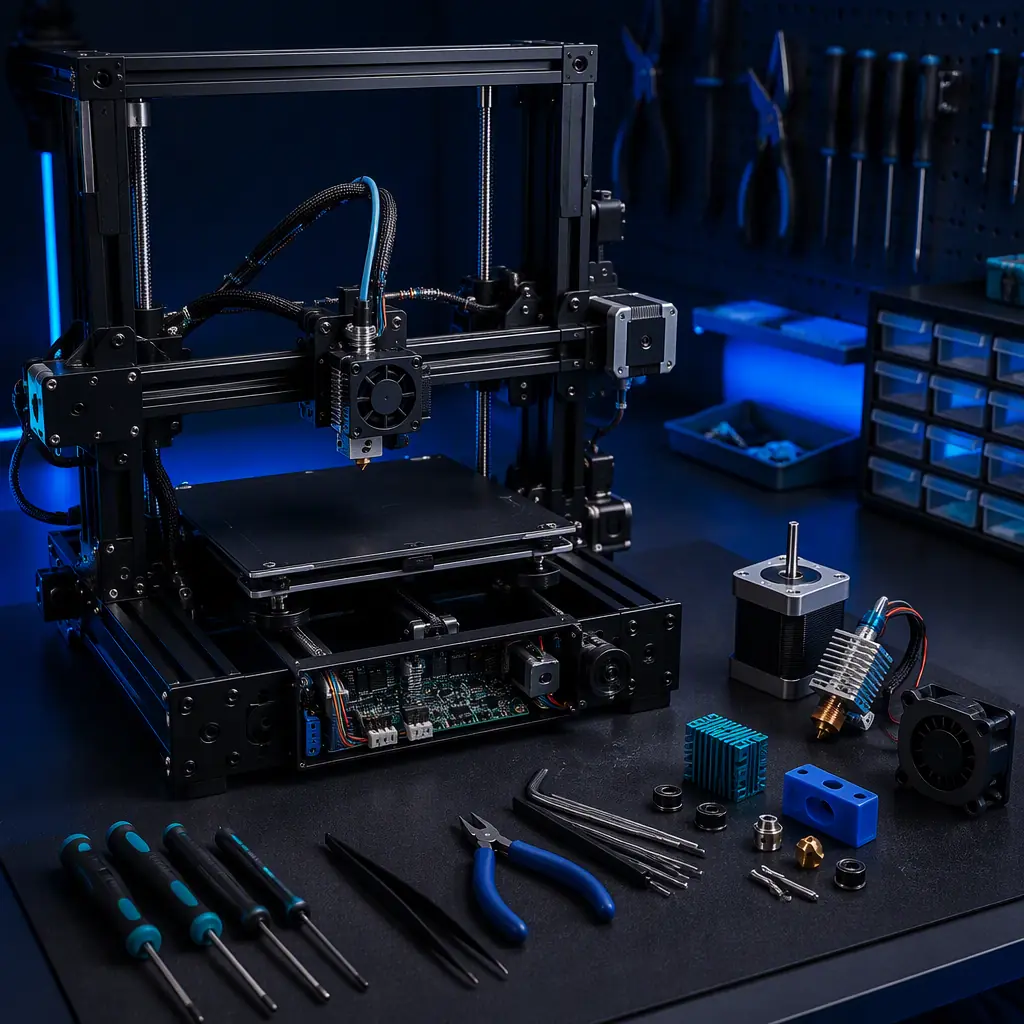
Parts Obsolescence & EOL Management, Keeping 3D Printer Fleets Serviceable
A 3D printer sold today is expected to keep printing for years, but the components inside it go obsolete on a much faster clock. When a supplier discontinues a motherboard, a hotend or a stepper motor
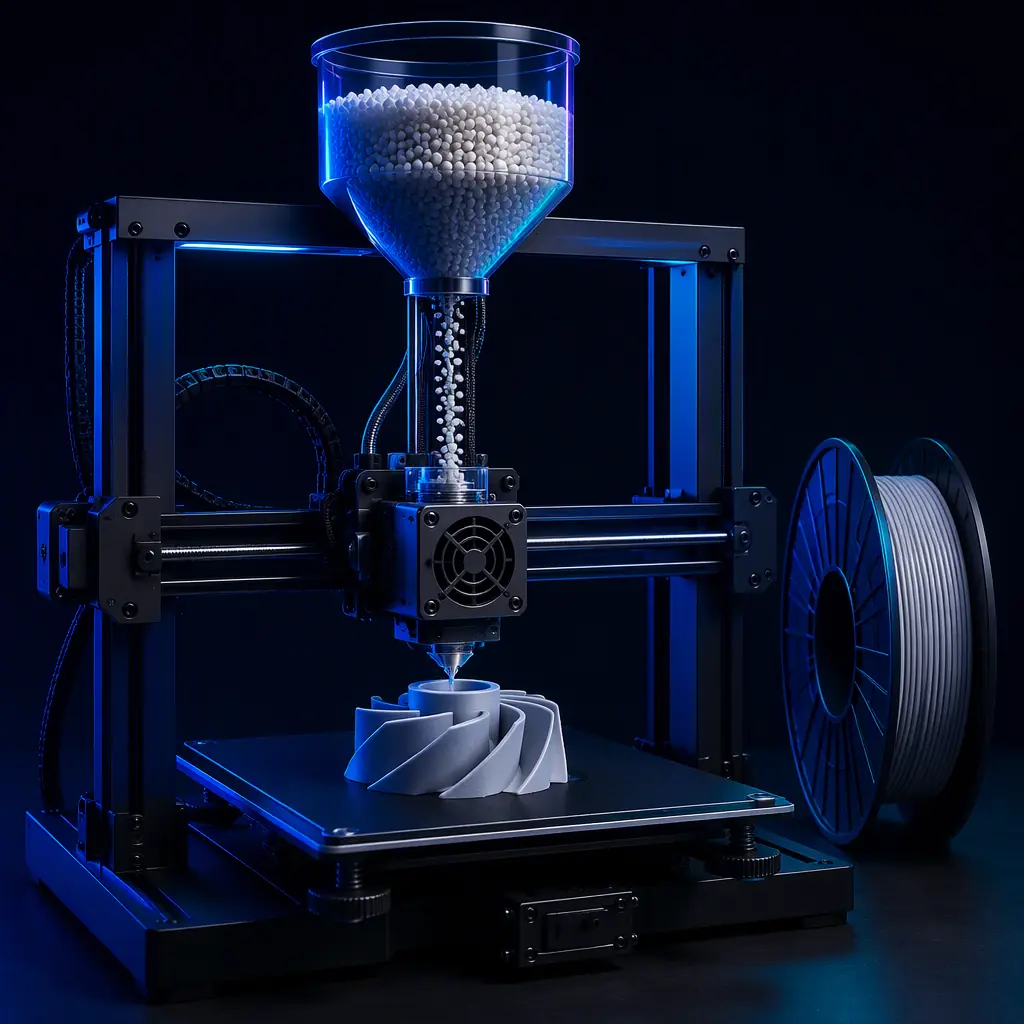
Pellet Extrusion vs Filament. The Cost Economics Every 3D Printer Distributor Should Understand
Filament is a $20–$80/kg product made from a $2–$6/kg raw material. Direct pellet extrusion reclaims that gap — with trade-offs. A distributor's economic model for pellet vs filament
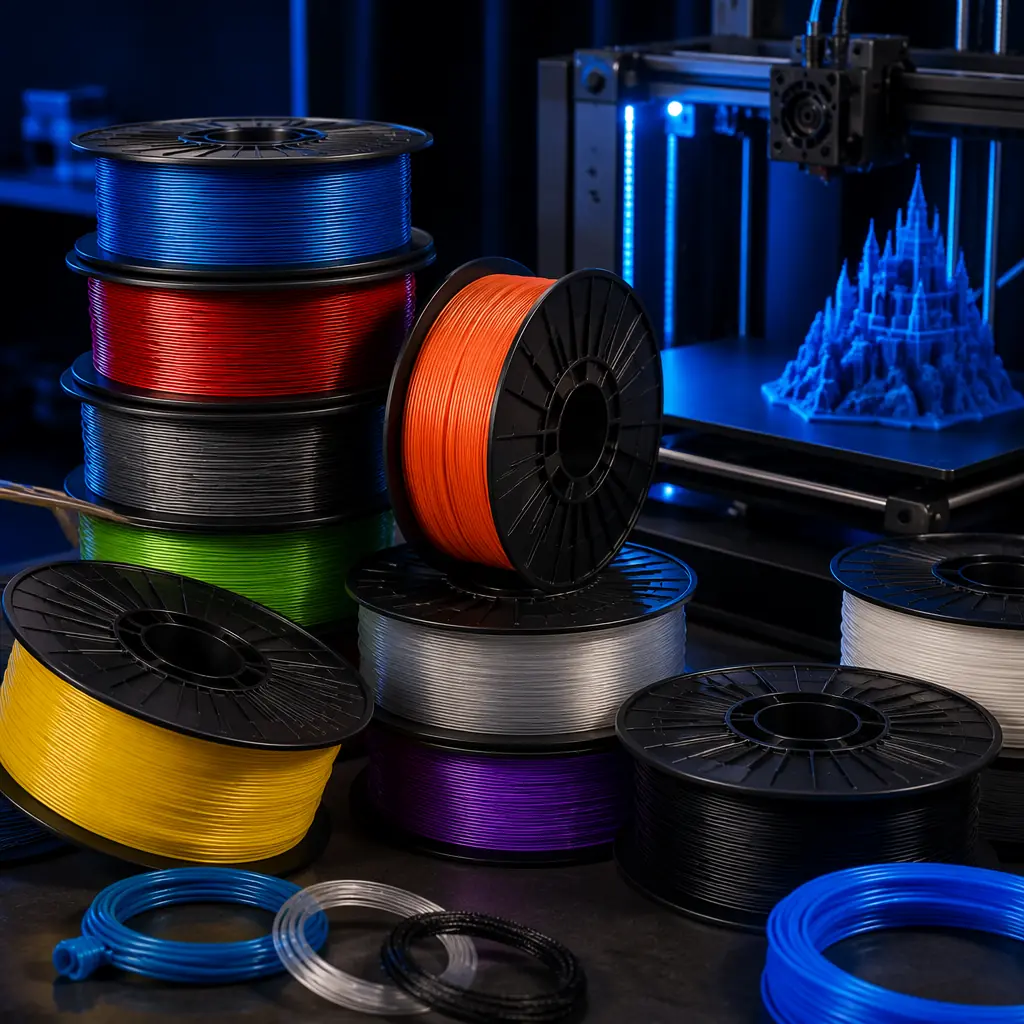
PLA vs PETG vs ABS vs TPU: What Filaments Distributors Should Stock in 2026
Complete filament stocking guide for 3D printer distributors. PLA, PETG, ABS, and TPU comparison with wholesale pricing, margin analysis, regional demand.